U.S. and Canada trade dispute could have lasting impacts to Montana
Tensions between the United States and Canada escalated over the weekend as trade talks broke down and the U.S. imposed new 50% tariffs on specific Canadian goods. The latest clash is fueling concerns that the dispute may lead to larger impacts in Montana down the road.

Tensions between the United States and Canada escalated over the weekend as trade talks broke down and the U.S. imposed new 50% tariffs on specific Canadian goods. The latest clash is fueling concerns that the dispute may lead to larger impacts in Montana down the road.
“It's really unfortunate. Canada is a great trading partner to the United States, longtime ally and really important to the state of Montana,” said Montana Chamber of Commerce President and CEO Todd O’Hair. “This is a relationship that has been built over decades and over generations. And so when these sort of things happen, right, it really harms those relationships, harms our future. It's really unfortunate that we are at this place.”
Canada is by far Montana’s largest international trade partner. Last year, Montana exported around $2.1 billion in goods worldwide. Around half of that went to Canada, mostly agricultural, chemical, energy, and mineral products.
For imports, Canadian goods made up 90% of the $6.3 billion coming into Montana. Energy products, like crude oil and natural gas, represented the largest of those imports at around $4.4 billion.
Bureau of Business and Economic Research Director Jeff Michael, Ph.D., says the latest round of tariffs is unlikely to affect Montana consumers immediately.
“They've exempted our biggest imports from Canada,” he noted. “And so as a result we'll feel very little immediate impact from this.”
Historically, the costs of new tariffs that U.S. companies pay are passed on to consumers, or the company finds another producer to buy from. Michael noted that wasn't always the case after the Trump administration enacted its sweeping set of tariffs on every country in 2025. A United States Supreme Court ruling overturned those tariffs, and businesses were reimbursed.
The new Trump administration tariffs on Canada target just over 5% of Canadian exports to the United States, which economists estimate amounts to around $20 million in imports annually.
Goods being targeted include dairy items, specific agriculture imports like raw honey and sugar beet seeds, lumber products including plywood, cement ingredients, luxury items and alcoholic beverages including Canadian whiskey like Crown Royal.
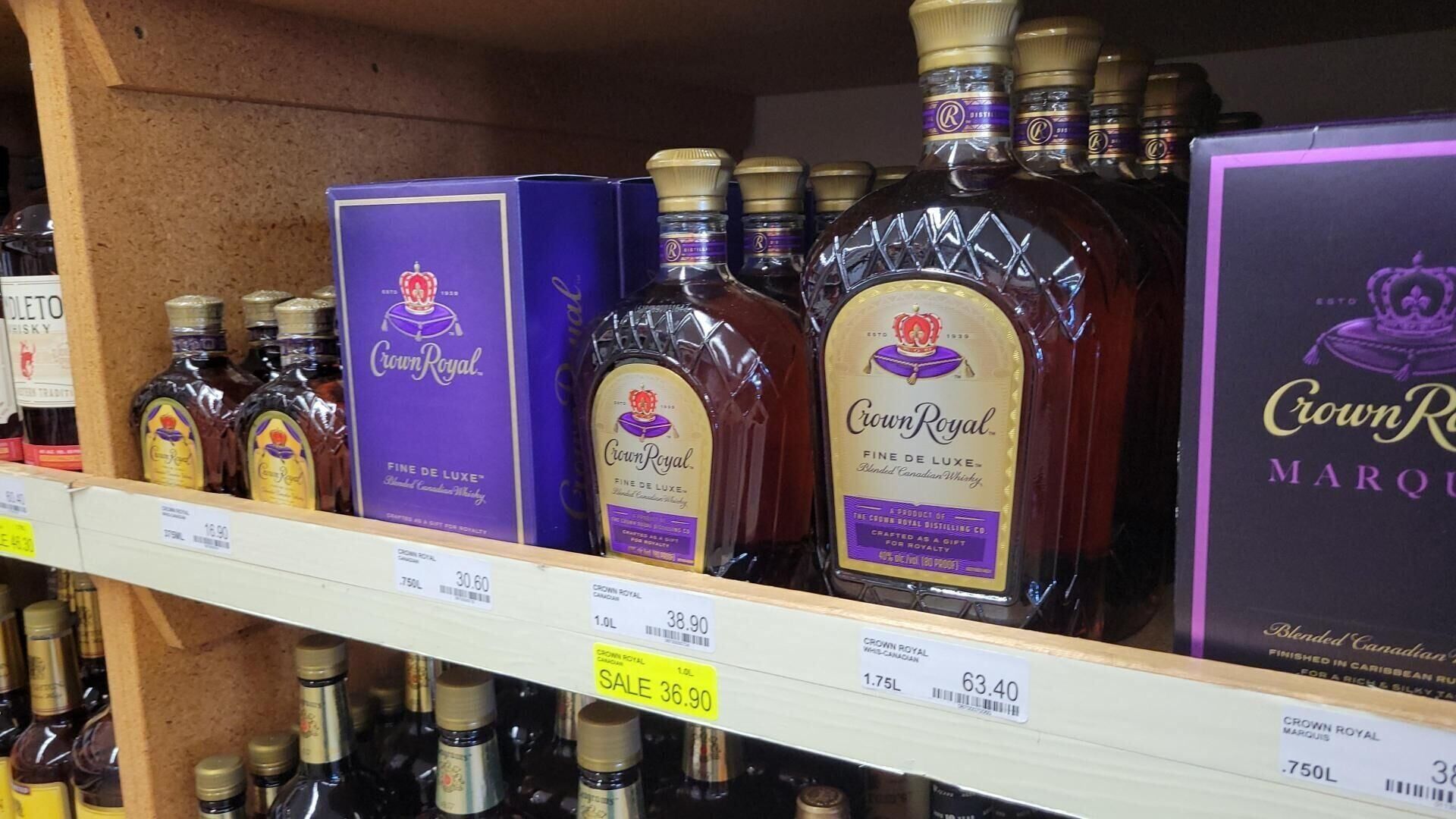
Tariffs impact Canadian Whiskey
Some Montana businesses use Canada-made construction materials, but Montana Building Industry Association Executive Director Andy Shirtliff notes that many factors affect building costs.
For builders, economic stability plays a key role, and tariffs can disrupt it.
“We want certainty around whether it's at the international level with tariffs, national level with interest rates, as well as at the local level, knowing when and why permitting price prices go up,” he explained. “What is the particular reason for that? Just having some stability so that our, our home builders and Montana's builders can actually plan.”
The Trump administration has said the implementation of new tariffs is to protect domestic producers, encourage more investment into U.S. companies and gain better trade terms through new negotiations. The tariffs have also disrupted established business planning for many companies and triggered sudden lawsuits, making the situation less predictable.
The Trump administration has criticized trade with Canada since the president began his second term. Last year, the U.S. imposed tariffs on Canadian goods like auto parts, steel, and lumber, and Canada matched them with its own auto tariffs.
Tensions continued to grow the following year, with Trump and Canadian Prime Minister Mark Carney trading barbs on social media and in the news, and with both countries increasing sanctions.
Since March, efforts have been made to renew or revise the US-Mexico-Canada Agreement – the trade pact reached during the first Trump term – but last week those talks collapsed. Both sides have accused the other of stalling the negotiations.
Leadership with the United States and Canada continued to clash on Monday after trade negotiations broke down. President Trump threatened additional tariffs on top of those imposed this weekend after Canadian Prime Minister Mark Carney threatened to match the U.S. tariffs “dollar for dollar.”
“This is just sort of the first chapter of something, including a full renegotiation of our trade agreements with Canada that will be happening in the next couple of months,” Michael noted. “We don't know quite exactly how Canada will retaliate and where this will go. And so the immediate effects of this news are pretty small. But there's the second and third chapters of this book could be much more impactful.”
Another concern for Montana businesses is the potential lasting impacts if the trade dispute continues to escalate.
O’Hair noted there has already been an impact to tourism, with border crossings down from Canada to the United States.
“We're obviously really concerned about this escalating, right. And Canada is under consideration now about how they're going to respond to what the United States is imposing,” O’Hair noted. “We're very concerned about this escalating and turning into truly an all-out trade war, which will benefit no one, will harm both countries. Businesses on both sides of the border.”