New Bozeman report outlines ways to fund affordable housing statewide
BOZEMAN, Mont. — A new housing report out of Bozeman is laying out policy options that state and local leaders could use to help fund more housing locally and statewide.
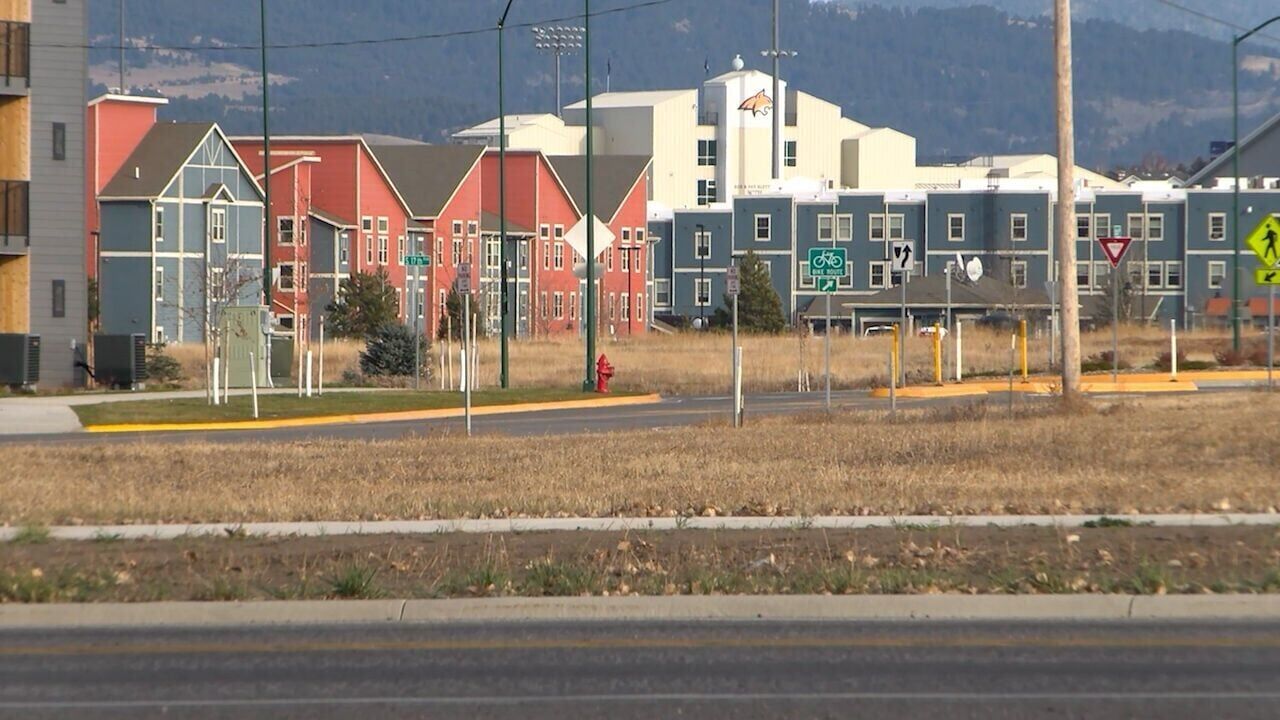
BOZEMAN, Mont. — A new housing report out of Bozeman is laying out policy options that state and local leaders could use to help fund more housing locally and statewide.
Gallatin County has been one of the places most affected by people moving to Montana in recent years. While many housing projects are underway, the Regional Housing Coalition said major gaps remained in home prices for median-income earners.
The RHC, which is run by the One Valley Community Foundation, said there is roughly a $400,000 gap between what the median homebuyer can afford and what the median market rate is for a single-family home in Gallatin County.
“The number one thing that is preventing more affordable housing or preventing housing from being affordable, rather, is the gap between the cost it takes to build a unit of housing and the amount that the average person or family can pay,” said Mark Bond, program manager for the RHC.
That challenge led to the “Bridging the Gap: A Guide to Funding Affordable Housing in Montana” report. The report compiles a list of ways housing could be funded that have not been fully utilized yet.
“A comprehensive set of tools, looking at any potential pathway by which more funding for affordable housing could be secured,” Bond said.
The report outlines ways state and local governments could change policies tied to tax revenue, budgets and other areas to support more housing projects.
Those ideas included revenue from bed taxes, rental car taxes and marijuana taxes, along with possible other possible types of local sales taxes. Most of the taxes mentioned are already collected and are aimed at travelers who come to Montana.
In 2024, Montana collected $62 million in bed taxes. The report proposed a statewide legislative change that could send some of that money back toward housing. It makes similar proposals for the rental car and marijuana taxes.
The report also talks about resort taxes in towns like West Yellowstone and Big Sky, and how policy could be changed to adopt resort taxes for larger communities. That revenue would then also go to bridge the gap for financing housing projects.
Bozeman Mayor Joey Morrison said the report focused on options that were already available instead of adding new costs for residents.
“This was an opportunity to look at what are the other levers that maybe already exist. Thatdoesn't need to be an additional cost levied on current residents,” he said.
Morrison said local governments have already used the easier options for tackling housing affordability. He said tougher decisions now remain about how to pay for solutions.
“The hard tools, hard questions, hard conversations are really all that remains of, ‘How do we pay for this? Are we willing to or are we willing to just continue to endure the consequences of not addressing this problem?’” Morrison said.
With the 2027 legislative session approaching, the report was delivered to Gallatin County legislators who would be working in Helena. The RHC’s goal is to keep the conversation around these proposals as nonpartisan as possible. At the end of the day, these are ideas, and the RHC does not endorse any specific proposal, Bond said.
“The goal of this was to just understand what's possible and to provide an objective analysis of what those tools might look like,” he said.
The full Bridging the Gap report is available here.