Yellowstone County Commissioners: More local power needed to regulate data centers
After hearing repeatedly from data center opponents that more regulation is needed, Yellowstone County Commissioners wrote to legislators that they need more control to achieve that.
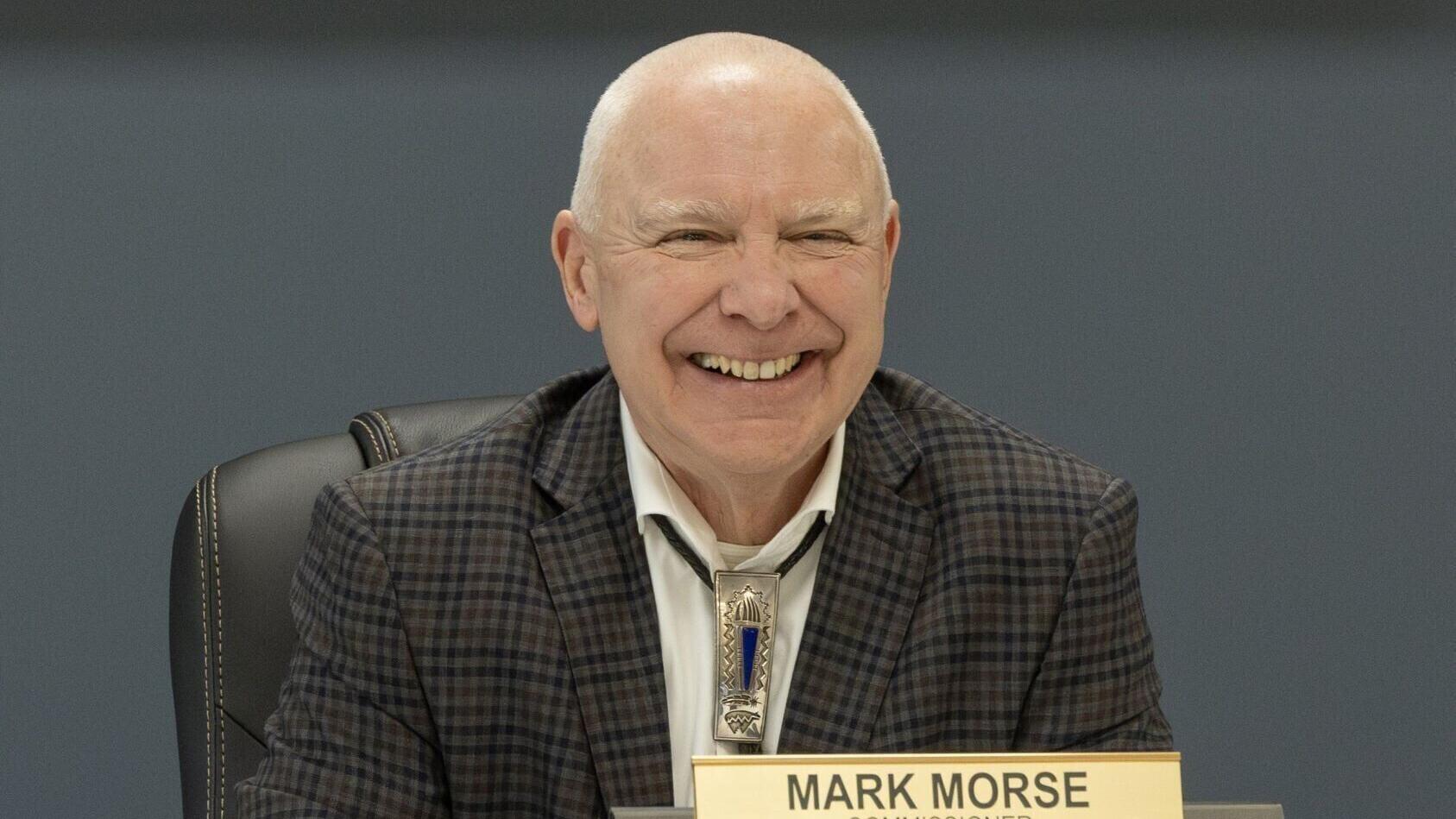
Yellowstone County Commissioner Mark Morse smiles during the commission’s meeting on Thursday, Mar. 5.
Montana counties need to have more power to regulate data centers, Yellowstone County Commissioners wrote to state legislators in a letter approved Tuesday morning, after hearing concerns from local residents for months.
The letter focused on the Right to Compute Act, a bill that passed largely under the radar in the 2025 legislative session, that is halting Yellowstone County's ability to regulate data centers.
Quantica Infrastructure, the company developing the data center near Broadview, first brought up the law in July as a potential obstacle during a lawsuit Yellowstone County initiated regarding the legality of a local data center initiative. Afterward, Yellowstone County commissioners later used the bill to explain that they couldn’t enforce any regulation around data centers, including emergency zoning. Instead, such regulations would likely have to come from the state, given the law.
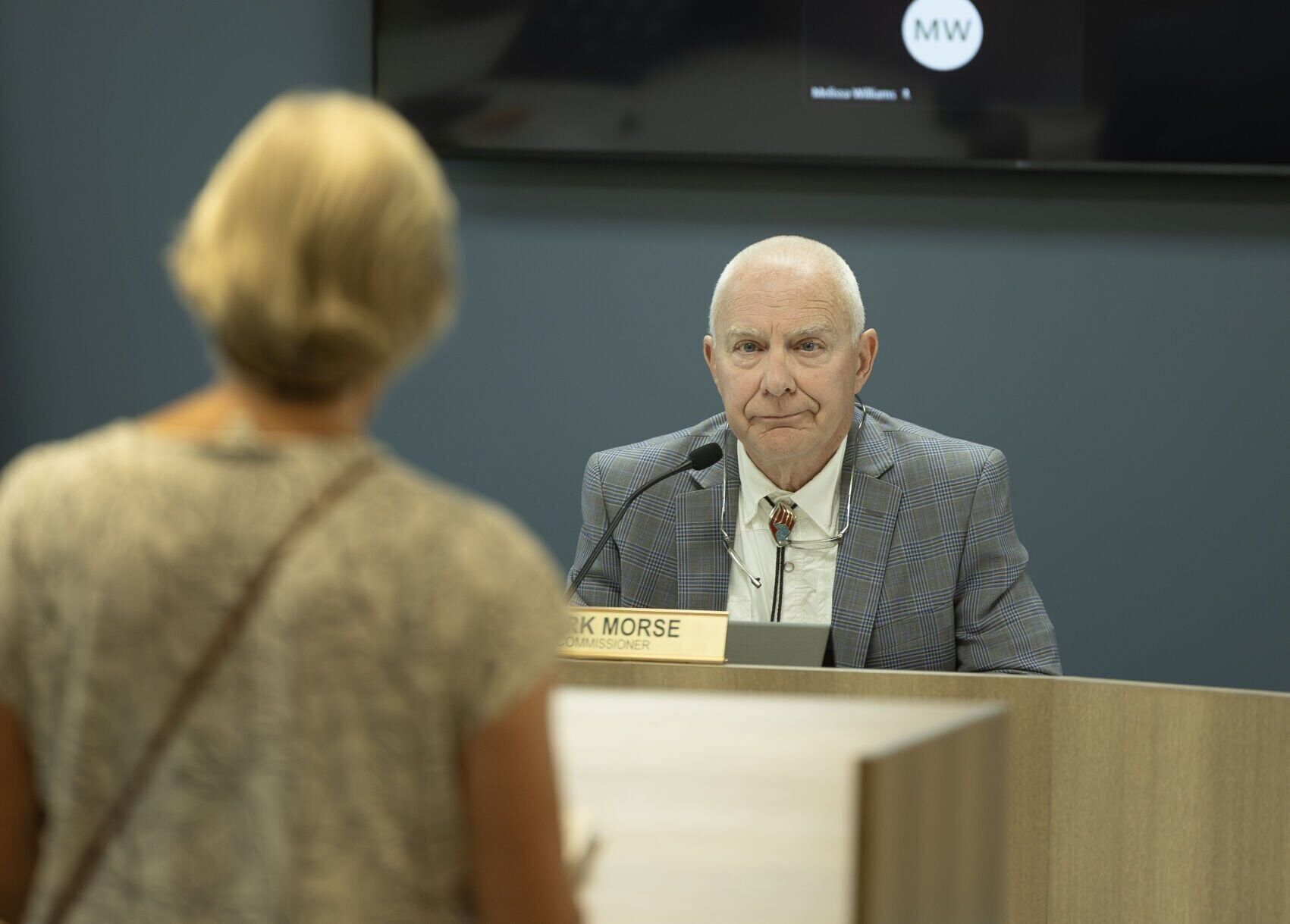
Commissioner Mark Morse hears public comment during the Yellowstone County Commissioner’s meeting on Tuesday, July 28.
“While the board appreciates the Legislature's interest in protecting Montanans' access to computational technology, we believe the Act as written is overbroad and, in its current form, meaningfully limits the county's ability to regulate data center development within its jurisdiction,” county commissioners wrote in their letter to legislators.
The legislation still allows for regulations in the name of a “compelling government interest.” That definition is subject to some interpretation, though the bill provided a few of its own examples of what could be regulated, including using computers for actions that defraud the public, harmful deepfakes and, notably, "taking actions that prevent or abate common law nuisances created by physical data center infrastructure." A common law nuisance generally means anything that might endanger the life, health or comfort of a private citizen.
County commissioners described the act as too broad in its inclusion of preventing all computational resources from being regulated, when instead it should only reinforce freedoms of the individual, rather than large-scale data centers.
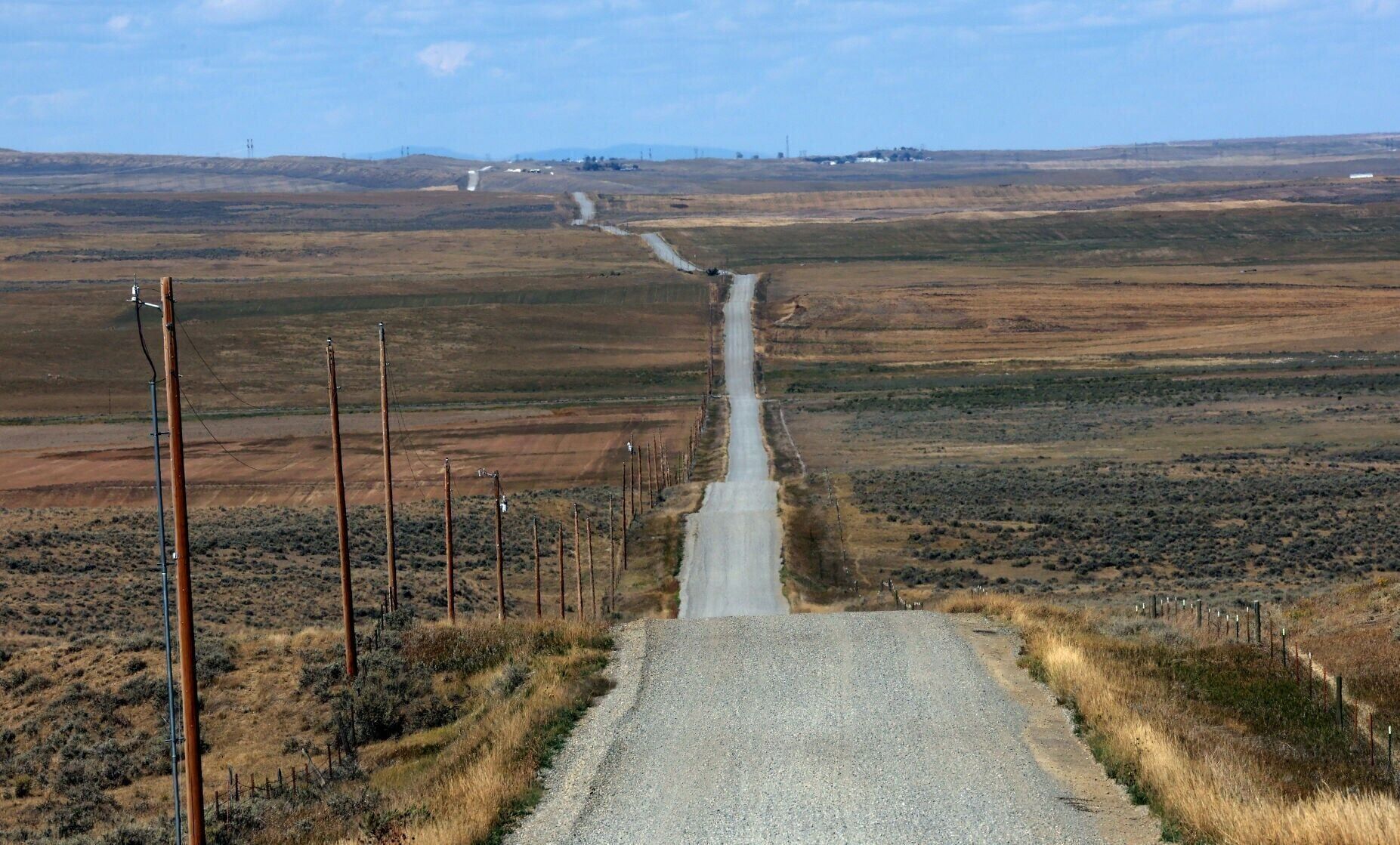
Buffalo Trail winds north toward Broadview and the site of the Quantica Data Center project.
“It’s exacting standard of review sweep in far more than we believe the Legislature intended,” the commissioners wrote. “The board's specific concern is the act's effect on the siting and operation of large-scale commercial data centers. These facilities carry significant local impacts, including intensive electricity and water consumption, noise, land-use and zoning considerations, strain on public infrastructure, and demands on emergency services.”
"Counties have traditionally addressed such impacts through ordinary land use, zoning, permitting, and public health and safety regulation," the letter goes on to state, noting the act is impacting their ability to do that.
The body said the standard would be difficult to meet, creating uncertainty about whether Yellowstone can continue to exercise its regulatory authority as it is accustomed to with other non-data center projects.
Read the letter Yellowstone County Commissioners approved Tuesday to send out to local legislators.
“This creates a corresponding chilling effect on the county's ability to protect its residents, infrastructure, and natural resources,” commissioners wrote. “To be clear, the board is not taking a position for or against the development of data centers. Rather, the board's concern is to preserve the county's ability to address the local impacts of such developments through its traditional regulatory authority.”
They asked for lawmakers to consider whether the act reached further than intended, and to possibly refine it. The all-Republican body asked whether legislators, which gave unanimous approval for the bill in the state Senate before partisan Republican approval in the state House, really meant to fully restrict the county’s authority on the permitting process around data centers along, with other safety and health measures.
The bill was requested and pushed for by the Frontier Institute, a Montana free-market think tank. It was sponsored by Republican Sen. Daniel Zolnikov of Billings.
In response to the letter, Frontier Institute President Kendall Cotton said the bill is not a blanket county-wide restriction.
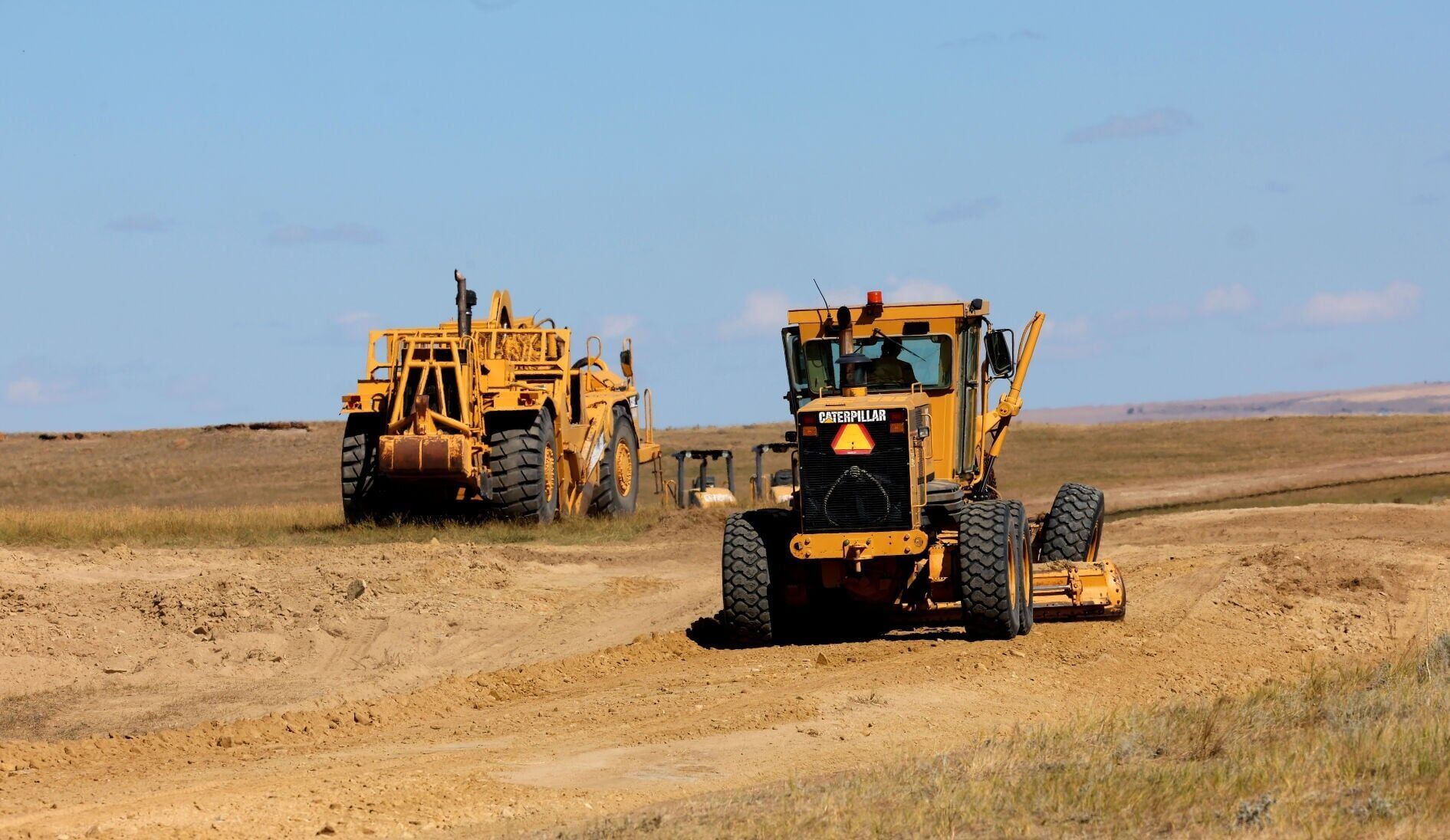
Crews grade a road to a well site south of Broadview on Wednesday, Sept. 16.
“The Right to Compute Act does not prevent county governments from enacting an ordinance or citizens from qualifying an initiative,” Cotton wrote in a statement to the Gazette. “What the Right to Compute Act does is create a strong likelihood that preemptive, category-wide restrictions on the lawful use of computers that are not narrowly tailored to a real public health and safety harm will be struck down if challenged in court. This is a healthy standard, the same one courts use for restrictions on free speech.”
That isn't how the county interprets the bill, however. A past internal county memo from Yellowstone County Attorney Scott Twito on Aug. 31 said the Right to Compute Act was one of the most serious problems they would face in implementing an interim moratorium on data centers.
"Independently, the Right to Compute Act is likely to bar a categorical moratorium outright ... a blanket ban premised on unproven harms is close to the opposite of narrow tailoring," Twito wrote to Steve Williams, Yellowstone County's in-house attorney. He expected anything the county might do to regulate data centers would face a lawsuit from Quantica.
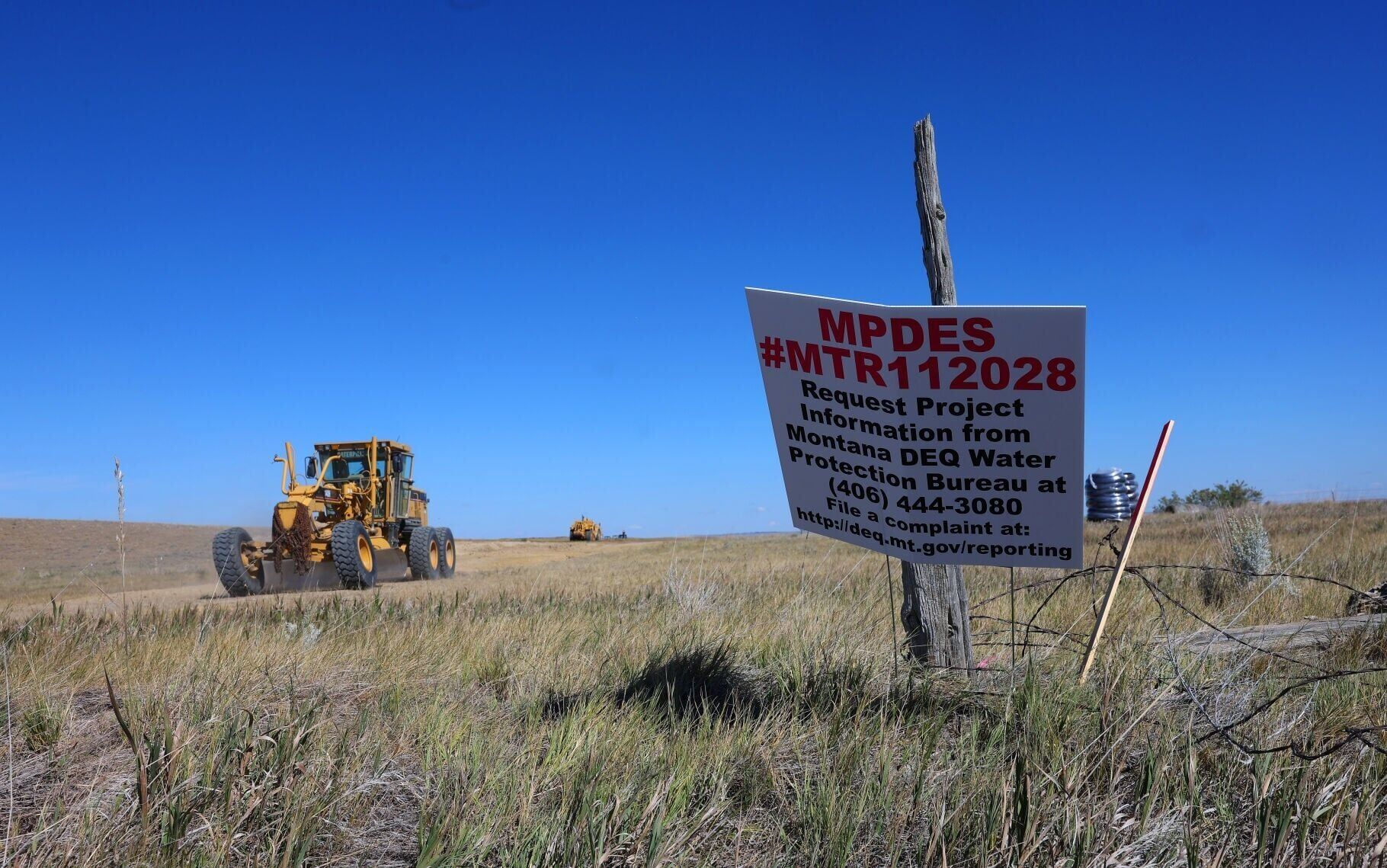
A Montana DEQ sign is posted for a water project near Broadview.
The memo came after an initiative meant to regulate data centers in Yellowstone County had failed following a court challenge from the county. Opponents still wanted some sort of halt on the initiative and looked to a moratorium as a potential answer. Commissioners cited, in part, the Right to Compute Act for their inaction.
Quantica Infrastructure joined in on the initial challenge to the past local ballot initiative, mentioning the possibility of it violating the Right to Compute Act. Yellowstone County had solely mentioned a recent Montana Supreme Court ruling as a potential problem with the initiative in its challenge.
But on Tuesday, a five-person panel of the Montana Supreme Court gave unanimous approval to a data center initiative in Butte-Silver Bow County, after a past court challenge said signatures were gathered after a new deadline should be void. The substance of the initiative was never raised as a legal issue in Butte, like it was in Yellowstone County.
Read the Aug. 31 memo between Yellowstone County Attorney Scott Twito and Yellowstone County in-house counsel Steve Williams on the obstacles in regulating data centers.
Attorney Brian Miller, who modeled the initial Yellowstone County initiative partially after Butte’s, said the recent ruling was great for them.
“This order says, I think, that the Montana Supreme Court takes the rights of the people seriously,” Miller said.
He is currently working with the county again to put forth a new initiative to regulate data centers. Thursday’s discussion agenda for the Yellowstone County Commission includes a closed meeting around a “data center initiative,” though additional details weren’t provided in the document.
Miller expects a second attempt at a data center initiative for Yellowstone County to be approved via the county for circulation by this week, with a press conference to get the word out about it planned for in the next week or two.