School Funding Commission provides a roadmap for adequate school funding | Luke Muskiewicz
Providing a high-quality public education for Montana students is a constitutional obligation. It is also our great equalizer and one of the most important investments we can make in our students’ success and the future of our communities and our economy.
After more than fourteen months of work, the School Funding Interim Commission — a bipartisan group of 20 legislators and members of the public — concluded that Montana’s current level of school funding is not adequate to meet the needs of students. To close the gap and better leverage our investment, the Commission developed a roadmap for improving our system by investing more in students with greater needs, providing more stability for districts, and working to simplify a complicated school funding formula.
The Commission first worked with education policy experts from the National Center on Education and the Economy to consider what a successful education system should accomplish and what resources are necessary before determining the cost. Throughout this process, the Commission heard from educators, administrators, school trustees, parents, taxpayers, students, and other stakeholders before contracting with school funding experts from Augenblick, Palaich and Associates to perform an adequacy study.
APA’s analysis found that Montana is significantly underfunding its public schools. It estimated that an adequate general fund level would be approximately $213 million above what districts actually adopted in the previous fiscal year, or about $433 million above the guaranteed funding level. That represents a significant gap in annual budget authority.
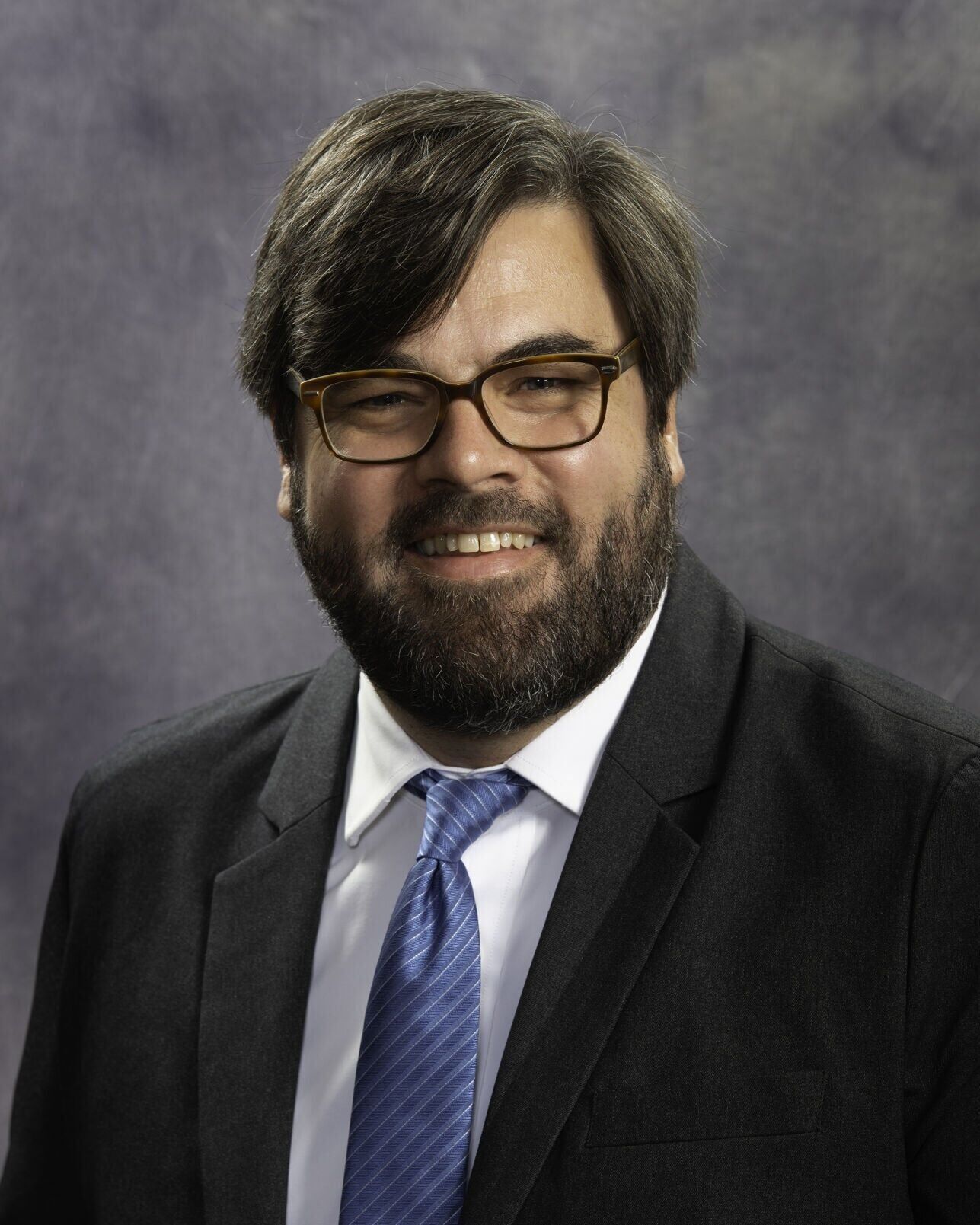
Rep. Luke Muszkiewicz, D-Helena
To close that gap, the Commission recommended several meaningful improvements, including increased support for students living in poverty, increased support for special education, improved school facilities funding, better inflation adjustments, new funding for English language learners, increased support for Indian Education for All, sixth-grade funding parity, and access to high-quality instructional materials.
Critics suggest that these recommendations represent improvements only at the margins. I disagree. By studying Montana districts that were demonstrating success, improving over time, or outperforming expectations, the Commission identified the importance of quality educators, targeted interventions, and support for students with greater needs. While some individual recommendations address specific gaps in our current system, taken together they represent significant improvements in how Montana supports students and schools.
At the same time, we should continue the work of making Montana’s school funding system easier to understand. All things being equal, simpler is better. But once we agree that a formula must account for the individual needs of students, as well as the different circumstances of a large district like Kalispell or Great Falls and those of a small rural district like Jordan or Winnett, it becomes clear that a one-size-fits-all solution is impractical and could undermine the stability schools need to serve students effectively.
Our goal should be to eliminate complexity that does not serve a purpose while preserving the parts of our system that recognize real differences between students and schools. Per-student funding should remain the foundation of our formula, but per-educator and per-district funding elements recognize that schools have fixed costs that do not disappear if enrollment declines. A district still needs educators, leadership, facilities, and basic operations whether it serves thousands of students or less than a hundred.
These recommendations are now in the hands of the Governor as he develops his budget proposal for the next biennium and the 2027 Legislature, which will decide which recommendations to implement and how to pay for them. As policymakers consider the state’s priorities for the next biennium, we will also consider proposals to further reduce Montana’s top income tax rate. Even if we agree that a competitive tax environment can help attract businesses and higher-income taxpayers to Montana, we must also consider whether additional tax reductions should take priority over addressing the education funding gap identified by our bipartisan commission.
Providing a high-quality public education for Montana students is a constitutional obligation. It is also our great equalizer and one of the most important investments we can make in our students’ success and the future of our communities and our economy. I am proud of the Commission’s accomplishments, but the work has only just begun.
Luke Muszkiewicz is a Democratic state representative representing House District 79.