Montana DEQ proposes Big Hole River 'impairment' designation for algae
The Montana Department of Environmental Quality recently proposed adding an impairment designation for algal blooms in the Big Hole River. Critics allege DEQ's proposal does not adequately target nutrients pollution.
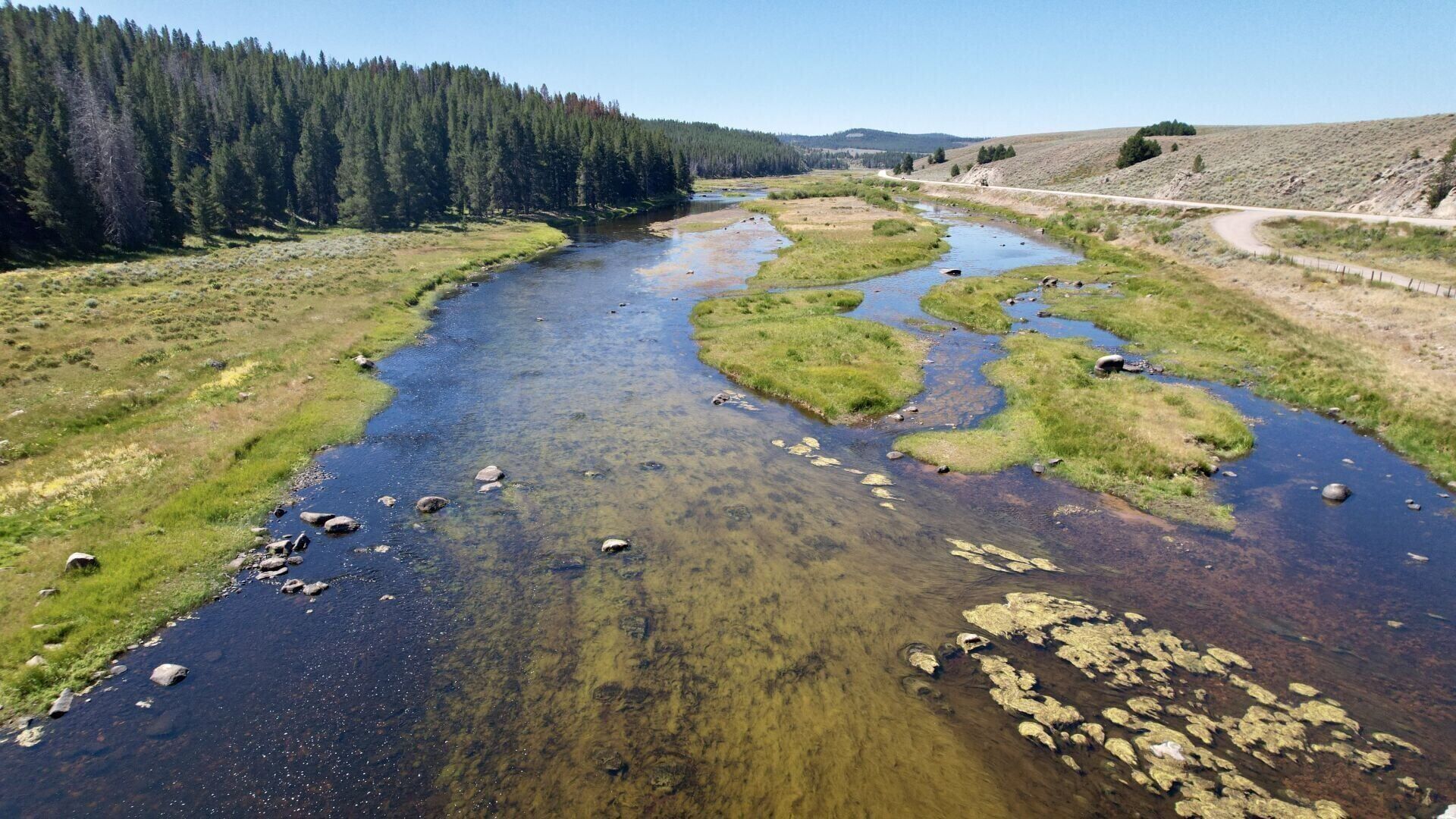
Algae on the upper Big Hole is shown in August 2025. A combination of low flows, warm water and nutrients pollution led to numerous algal blooms during the summer of 2025 in regional rivers.
Algal blooms rob rivers of dissolved oxygen.
Aquatic animals need dissolved oxygen to breathe. Low levels of oxygen can occur when excess organic materials, such as large algal blooms, are decomposed by microorganisms.
That’s according to the EPA.
Nutrient pollution can boost algal blooms, as can low flows and accompanying increases in water temperature.
The nonprofit Upper Missouri Waterkeeper has long leaned on the Montana Department of Environmental Quality to designate the Big Hole River as impaired because of nutrient pollution.
The famous river is already considered impaired by DEQ for other pollution impacts, such as sediment, temperature, flow, metals and fish habitat.
Last week, DEQ reported during an open house in Divide that it had made a draft decision to list the Big Hole River as impaired due to excessive algae growth. DEQ plans to submit a proposal to list the river as impaired by “eutrophication” and low dissolved oxygen as part of the agency’s 2027 Water Quality Integrated Report.
According to DEQ, “eutrophication results from an overabundance of nitrogen and phosphorus attributed to human influenced sources, producing undesirable algal growth.”
Thus, DEQ’s latest impairment for the Big Hole River describes the effects of nutrients without addressing them as a direct cause of the impairment.
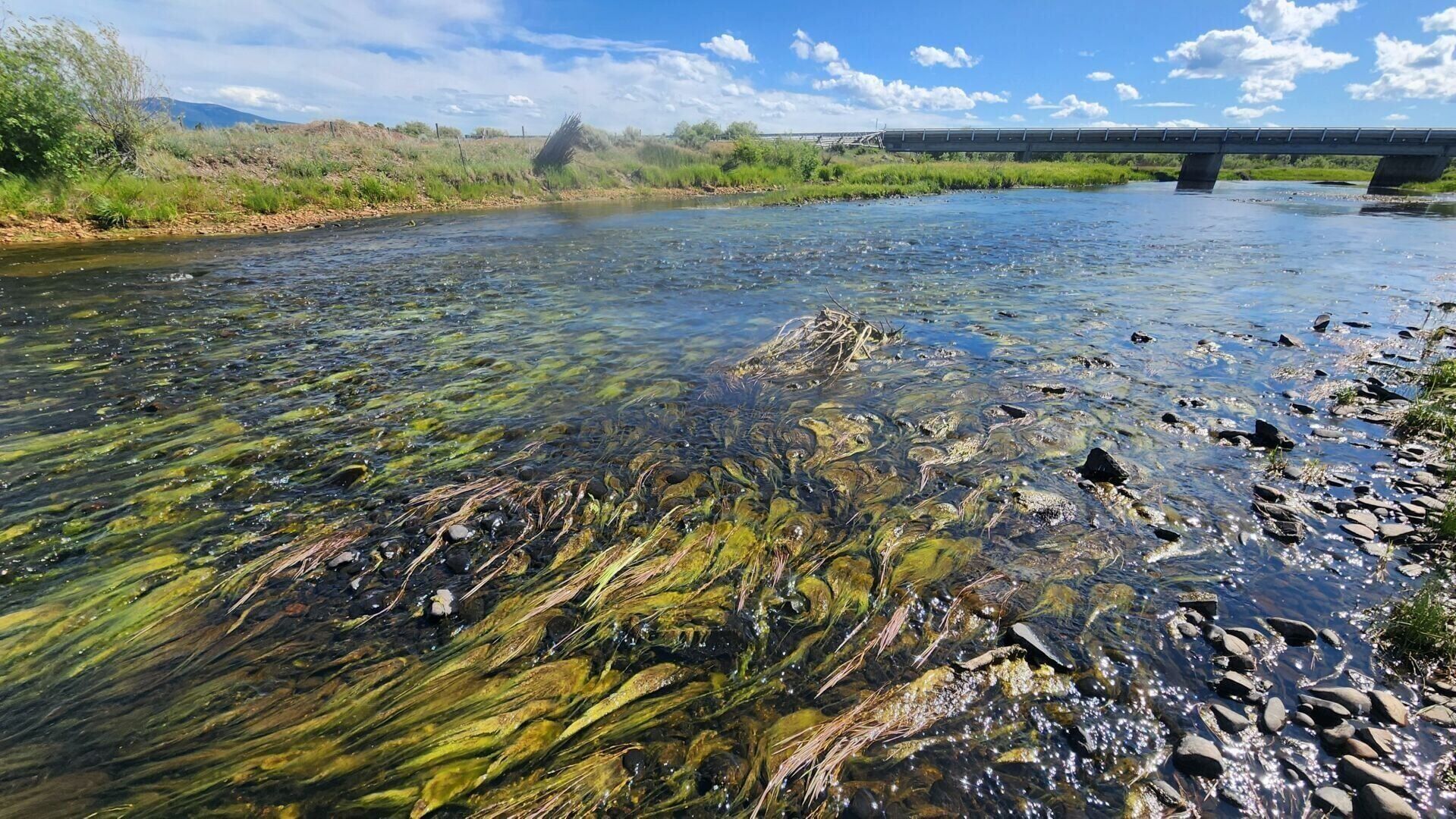
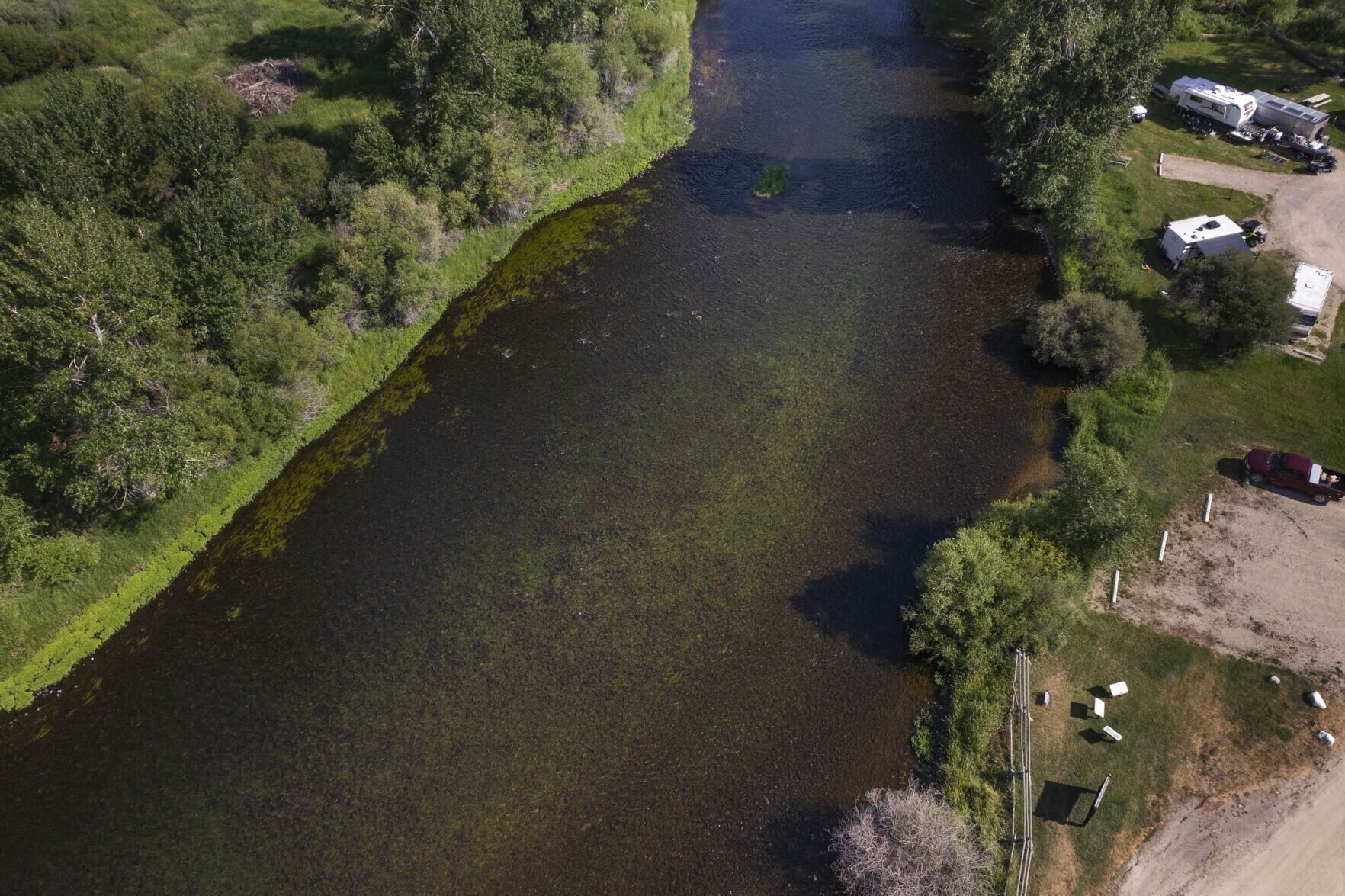
The photo, taken June 28, 2025, on the Big Hole River near Wisdom, shows algae and a low river flow.
“Yes, the agency’s admission that the Big Hole is not supporting its legally established uses is important, but its refusal to admit that nutrient pollutants are the key causal link between eutrophication and the loss of designated uses is absurd,” said Quincey Johnson of the Upper Missouri Waterkeeper.
The Waterkeeper and its Save Wild Trout nonprofit have documented nutrients pollution in the Big Hole River, as well as extensive algal blooms.
Agriculture can be a source of nitrogen and phosphorous along many of Montana’s rivers through livestock manure and fertilizers. Septic systems can add nutrients.
Dean Peterson, a fourth-generation rancher in the upper Big Hole, has said he believes manure is a more-likely nutrient source than fertilizer.
He noted many ranchers have worked to keep cattle away from the river.
Peterson is a board member for the Big Hole Watershed Committee and has said he recognizes that both the ranching community and the angler outfitting and guiding community on the Big Hole rely on a healthy watershed.
DEQ-approved water quality sampling by Brian Wheeler of Save Wild Trout has detected the highest levels of phosphorous and nitrogen in the upper river, where ranching is a dominant landscape feature.
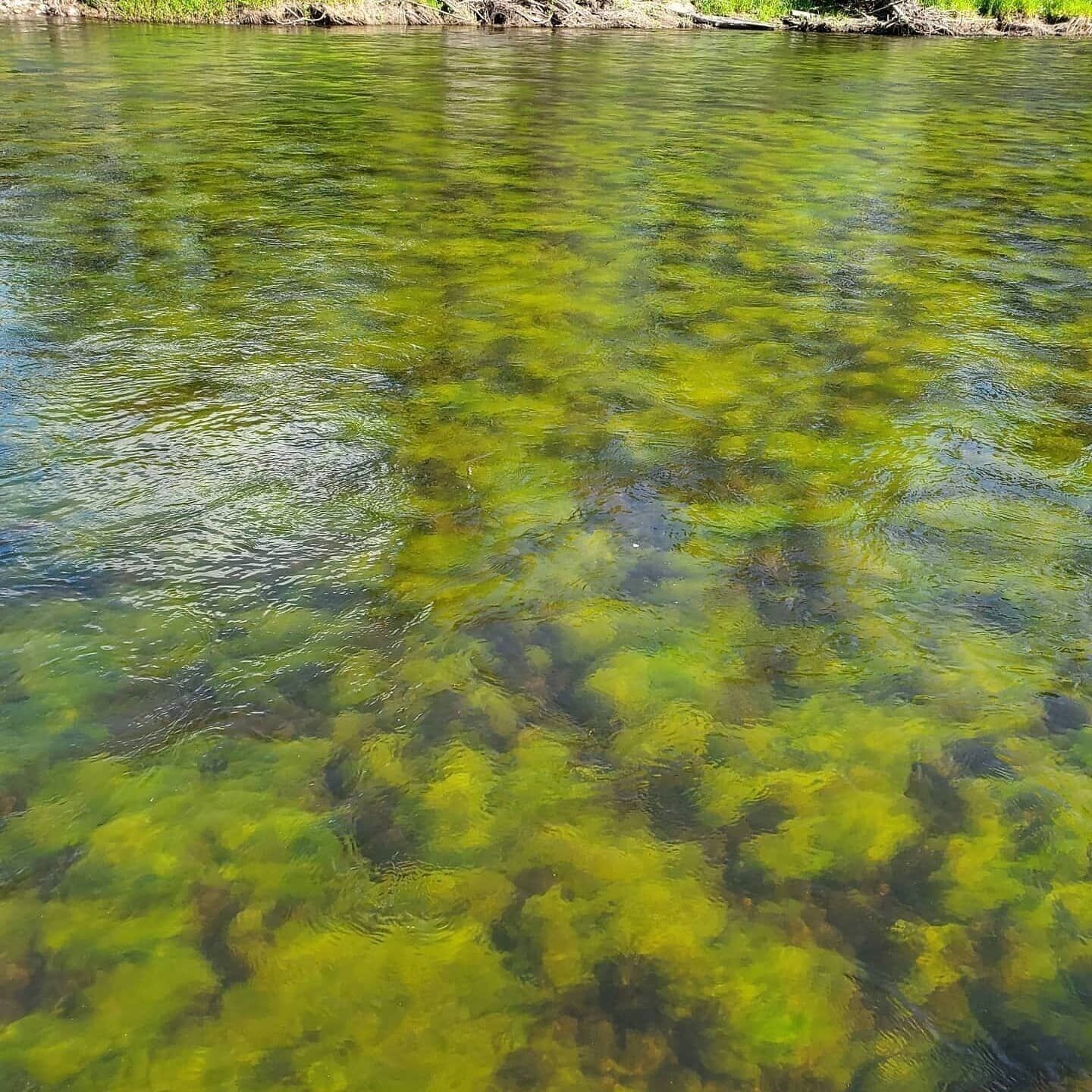
Algae blooms can reduce dissolved oxygen in water and affect aquatic life.
Pedro Marques is executive director of the Big Hole Watershed Committee, which has many ranchers among its members.
Marques has also said he supports the water sampling conducted by Save Wild Trout.
He has said he believes algal blooms have a lot to do with the lower river volume in recent years. And that, in turn, is tied to a host of factors, he said, including diminished snowpack and other precipitation, overallocation of water rights and more.
Ben Colman is an associate professor of Aquatic Ecosystem Ecology at the University of Montana in Missoula. He spoke to The Montana Standard last year about a type of algae referred to as C. glomerata, also known as “blanket weed.”
“In streams in western Montana, nutrients contribute to algal blooms, as does the timing and intensity of flow associated with snowmelt,” Colman said then. “Both nitrogen and phosphorus can limit algal growth when they are at low concentrations and fuel them when they are at higher concentrations.”
He noted that flows in freestone rivers like the Big Hole are dominated by a large pulse of water in the spring from snowmelt.
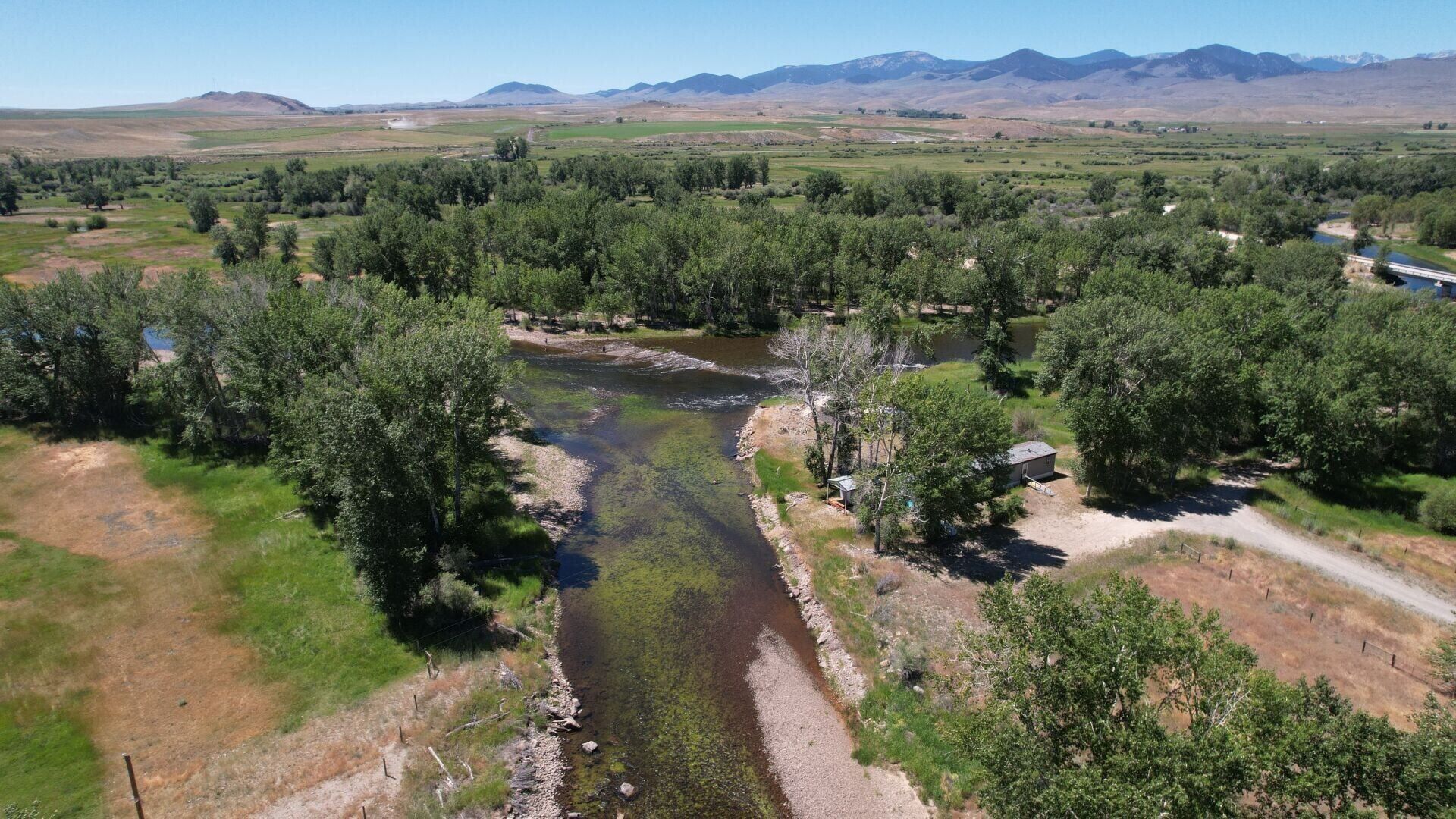
An algae bloom appears in the Big Hole River near Glen in May 2025.
Colman said that “in years with a low peak flow, the cobbles colonized by C. glomerata in the previous year are less likely to be flipped over, buried and scoured by suspended sediment.
“Without these sorts of disturbances, C. glomerata can grow back well as the rocks are effectively pre-colonized, leading to a strong algal bloom,” he said.
Guy Alsentzer is Waterkeeper’s executive director. He was quoted June 24 in a news release from the organization.
“We’re encouraged to see DEQ and the Gianforte administration finally taking a step in the right direction for the world-class Big Hole River and the people and businesses that rely on it,” he said. “This action is way overdue and certainly better late than never, but we are still concerned about the agency's pattern and practice of all-too-familiar delay tactics based on politics, not science.”
He said DEQ has known about the Big Hole’s declining water quality for nearly a decade.
“Time is not on our side, and further delays before action is taken are unacceptable for Montanans, local businesses and our wild trout,” Alsentzer said. “DEQ needs to get to work yesterday to address the root causes of algae growth — nutrient pollution. If the agency fails to do so, all water users will suffer.”
Waterkeeper has used the courts to try to push DEQ to address nutrients, but that approach hasn’t yielded immediately tangible gains.
A filamentous green algae bloom is seen in the Big Hole River in July 2023 at the Salmon Fly Fishing Access in Melrose.
Alsentzer said DEQ’s announced intention to list the Big Hole as impaired after many years of delay is positive news, but noted that DEQ’s next draft Water Quality Integrated Report isn’t due until 2027.
Estimates of trout populations in the Big Hole have suggested significant declines in some sections of the river. That has triggered research by Montana Fish, Wildlife & Parks, Montana State University and others to try to understand the potential causes.
Theories abound, as do the potential influences. They include climate change, warm water temperatures, low flows, nutrients pollution and algae and a reduction in dissolved oxygen, disease, stress from increased angling pressure and more.
Meanwhile, Upper Missouri Waterkeeper and DEQ have sparred also in recent years because of DEQ’s adoption of the more ambiguous “narrative” as opposed to more precise “numeric” water quality standards. Waterkeeper and others say numeric standards provide clear and scientific guidance for an agency like DEQ in its decisions about water quality.
Johnson said that both the federal Clean Water Act and Montana Water Quality Act require an impairment determination to identify the pollutants causing the impairment, as opposed to identifying the negative water quality effect, such as eutrophication.
“DEQ can and should stop playing fast and loose with the facts because failing to identify pollutants causing and contributing to algal blooms and negative biological responses in the river is not only unlawful, but it diminishes the effectiveness of the resulting pollutant cleanup plans,” she said.
“Restoration work and TMDLs (total maximum daily loads) become illusory and a hollow vessel for waterway restoration when the agency steering the ship refuses to name the key pollutants that are unnaturally elevated and undisputedly known to cause eutrophication and algal blooms,” Johnson said.
Madison McGeffers, a DEQ spokeswoman, said the agency’s narrative standards can identify specific sources of pollutants.
“By listing impairments due to eutrophication impairments, appropriate total maximum daily loads can be selected and completed that relate to the eutrophication listings during future watershed planning efforts,” she said. “The TMDLs can be tailored to the specific sources, nutrient limitations and temperature conditions in the watershed.”
McGeffers said DEQ’s intended action will be shared with the public this month.
“Assessment outcomes will be officially proposed in the next draft Water Quality Integrated Report, which will be shared for public comment before being submitted to the federal Environmental Protection Agency (EPA) for approval,” she said.
Duncan Adams covers the environment, natural resources, Montana Tech and other beats for The Montana Standard. Reach him at 406-496-5572 or duncan.adams@mtstandard.com