Backpacks, pencils and higher prices | Emily Marburger
Every August, there is a familiar rhythm in Montana.
Every August, there is a familiar rhythm in Montana.
Families squeeze in the last camping trip. Kids argue with their parents about whether they really need a new backpack and in the same vein, teachers start getting their classrooms ready. The image of parents sitting down with a school supply list and a calculator seems particularly grim this year.
The math is not math-ing. A new nationwide survey found that parents expect to spend an average of $557 per child on back-to-school purchases this year alone. A parent spending the same amount as last year this August is not necessarily buying the same amount of pencils, shoes, notebooks and clothes. They are making choices about what can wait, what can be reused and what gets crossed off the list altogether.
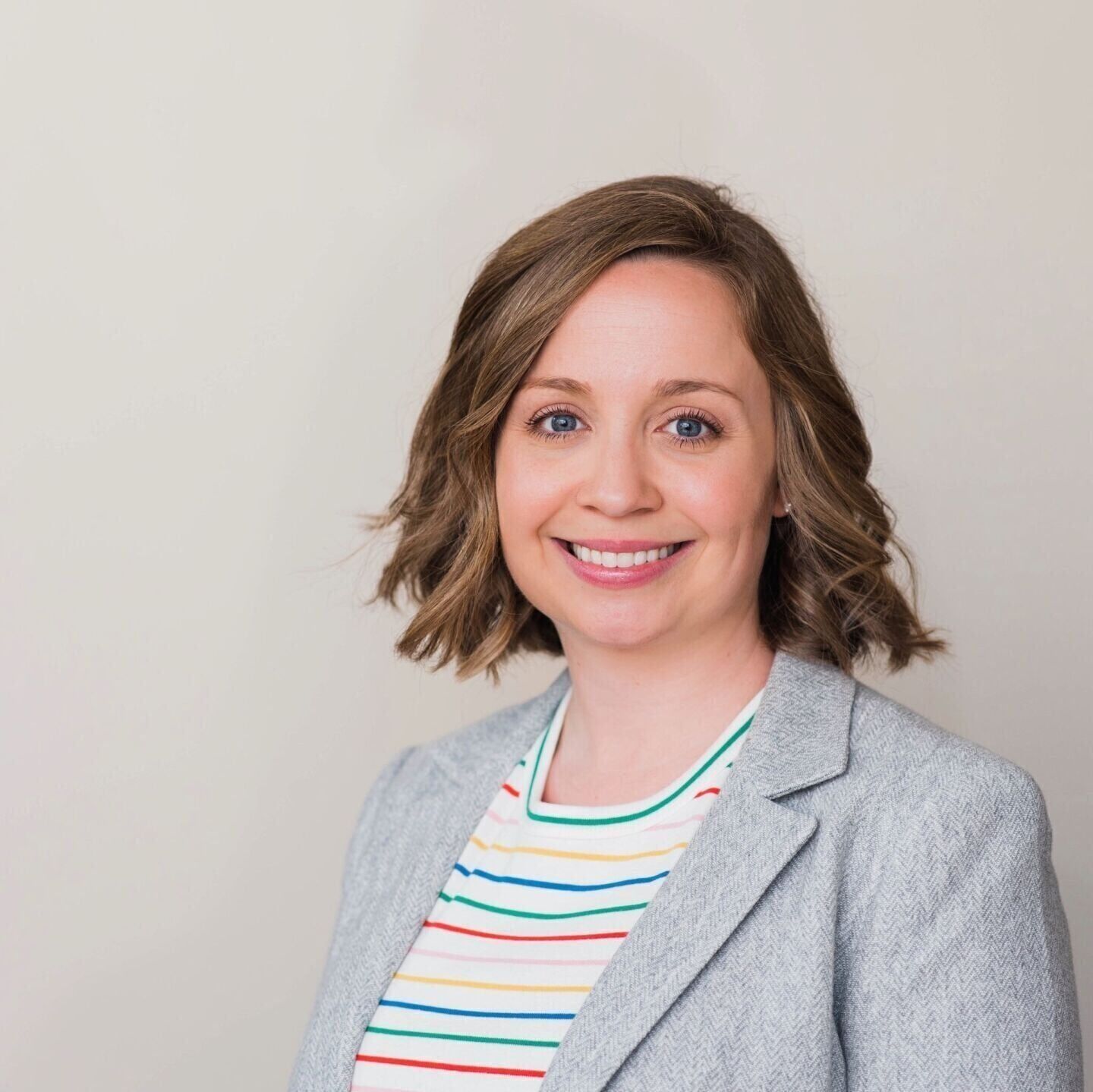
Emily Marburger
Half of the parents surveyed said they plan to cut other household expenses to make room for back-to-school spending. Lower- and middle-income families are actually expecting to spend more this year, overwhelmingly because prices are higher.
Montana families do not need a national survey to tell them that. Here in Montana, school supply costs have risen more than 30% since 2021. This summer, Yellowstone County’s Operation School Supply program collected backpacks, notebooks, pencils, headphones, hygiene products and other basics to help offset costs for families.
Local reporting from Billings this month found school supply prices are roughly 8% higher than a year ago and more than 20% higher than in 2020, adding another expense for families already dealing with the cost of groceries, housing, health care and child care. And those broader costs are already squeezing Montanans. A recent Montana Free Press/Eagleton poll found roughly 40% of Montanans ages 18 to 44 who have education expenses reported at least some difficulty affording them. Among parents of children under 18, 35% said they had difficulty affording child care.
Those numbers tell a pretty simple story: families are working harder to afford the basics.
There is something particularly frustrating about back-to-school inflation because these are not luxury purchases. A box of pencils is not an extravagance. Neither is a pair of shoes that fits, a notebook for math class or a backpack whose zipper actually works.
Parents should not have to raid the grocery budget to make sure their kid walks into class prepared.
Teachers should not have to quietly spend hundreds of dollars from their own paychecks filling gaps in classroom supplies.
What families need from their leaders is the same common sense they practice around the kitchen table: focus on the things that actually make life more affordable.
Because when half of American parents are cutting somewhere else just to get their kids ready for school, that is not a story about irresponsible spending.
It is a warning about affordability.
And here in Montana, families are feeling it every time they reach the checkout counter. They don't want their kids to feel like their education or activities are a financial burden.
Emily Marburger is the executive director of the Montana Democratic Party.