How to divide perennials for healthier plants and more blooms
SHREVEPORT, La. - Dividing perennials is an easy way to encourage healthier plants, produce more blooms, and create new plants for your garden.
SHREVEPORT, La. - Dividing perennials is an easy way to encourage healthier plants, produce more blooms, and create new plants for your garden.
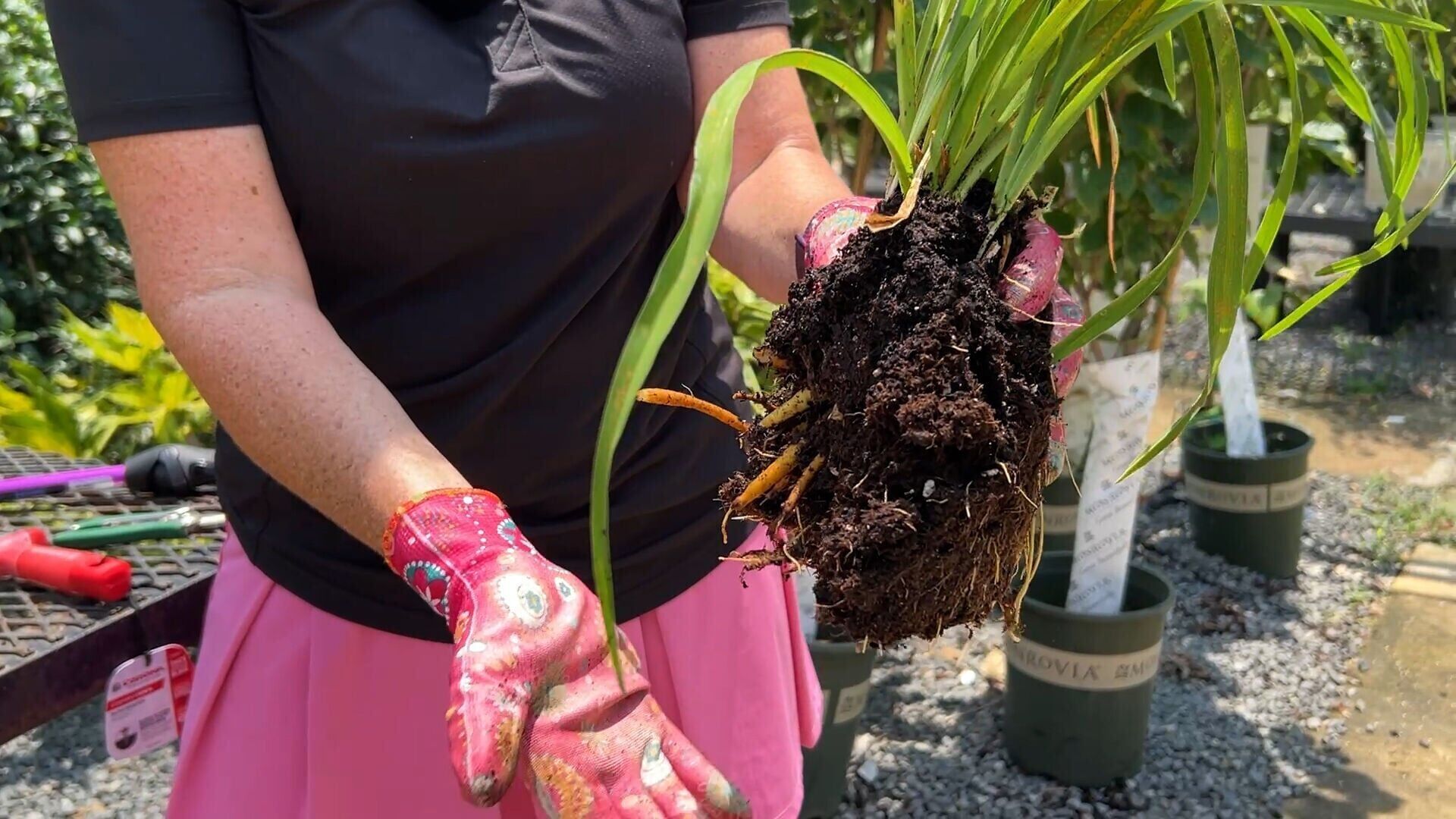
During this week’s KTBS Garden Club, Jennifer McGimsey with Akin's Nursery demonstrated how to divide daylilies and shared tips that can be applied to several popular perennial varieties.
Many perennials can be divided, including daylilies, hostas, irises, Shasta daisies and echinacea.
A simple rule of thumb is to divide spring-blooming perennials in the fall and fall-blooming perennials in the spring.
Timing and weather are important when dividing plants. Choose an overcast day or a cooler day, and plan to work early in the morning.
Before getting started, clean your gardening tools. Rubbing alcohol can be used to sanitize tools and help prevent the spread of plant diseases.
Begin by digging around the outside edge of the plant, carefully loosening the soil until you can lift the entire plant from the ground.
Once the plant is out, separate it into smaller, healthy clumps. Each division should ideally have three to five shoots and a healthy root system.
One of the most important steps is to replant the divisions right away.
Place each new clump back into the ground at approximately the same depth at which it was originally growing. Water the newly planted divisions thoroughly. Because the plants now have newly divided root systems, they will need consistent moisture while they become established. Continue watering over the next several days.
Adding about two inches of mulch or pine straw around the plants can also help retain moisture.
With the right timing and a little care, dividing perennials can help rejuvenate your garden -- and give you new plants to enjoy or share.