DeSoto Police Jury bars parish employees from working on state highways
SHREVEPORT, La. -- The DeSoto Parish Police Jury approved a resolution on Monday establishing a policy that prohibits parish road employees and equipment from performing maintenance, construction or other work on state highways, following a lengthy discussion about fairness to taxpayers, legal authority and potential liability.
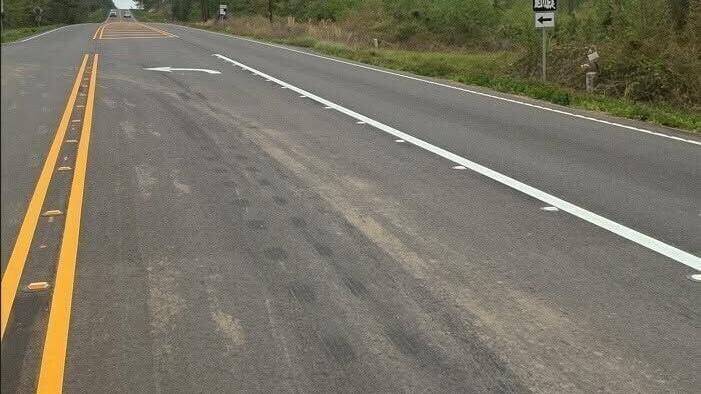
State Highway 175 in DeSoto Parish (File photo: DOTD)
SHREVEPORT, La. -- The DeSoto Parish Police Jury approved a resolution on Monday establishing a policy that prohibits parish road employees and equipment from performing maintenance, construction or other work on state highways, following a lengthy discussion about fairness to taxpayers, legal authority and potential liability.
Resolution No. 22 of 2026 was introduced to formally establish the policy, which parish officials said clarifies the parish's responsibilities regarding state-owned roads.
The debate centered on whether residents who live along state highways would be unfairly affected because they pay the same parish taxes as residents who live on parish-maintained roads.
Police Juror Jeri Burrell argued that taxpayers who live on state highways could view the policy as unfair because they contribute to parish road taxes but may not receive direct road services from the parish.
"We gonna pay the taxes, we gonna help pay the tax, but we ain't gonna get no service out of the roads," she said.
She also said residents living on state highways could remember the policy when future road tax renewals are presented to voters.
Others on the Police Jury argued, however, that state highways are the responsibility of the state and that parish resources should not be used for work the state is legally obligated to perform.
"I think we should push harder on our state elected officials on getting our state highways fixed, just like our constituents push on us to get our parish roads fixed. I live in the city. I don't expect the parish to come fix my city road when my city roads get damaged. I expect the city to fix the city roads, so I don't feel like we should be working on state highway roads, just my opinion,” Police Juror Robby Latham said.
The Police Jury's legal counsel, Jennifer McKay, said state law clearly limits the parish's authority to perform work on state highways and private driveways connected to those roads.
McKay said state statutes allow police juries to maintain private driveways within parish-owned rights of way under limited circumstances but do not provide authority for similar work on state highways.
"I respect your desire to advocate for your constituents and try to address their concerns, but in terms of the legal authority that you have to do that on state highway, I just can't find any," McKay said.
Some police jurors also raised concerns about potential liability if parish crews perform work on state highways.
“I think we can still help everyone, even if they live on the highway, by attempting to contact directly the state when they're when they're not doing something they should be doing, but I don't think it's right for us to spend taxpayer money and break the law when it's an obligation for the state to do,” Police Juror Stacey Justice said.
Police Juror Rodrigues Ross said, “It’s just a hard pill for the public to swallow when we've been doing it for like 50 years, you know, I don't have a problem with it, just for the public, you know. So we've been doing it wrong the whole time, exactly.”
“I wouldn’t necessarily say fully wrong. I would just say maybe not in so accordance with the law,” Police President Trina Boyd-Simpson said to the laughter of fellow jurors. “I don’t want to say we just doing it wrong for 50 years.”
Parish Administrator Michael Norton said the Police Jury previously took action in 2018 to stop performing such work but never formally adopted a written policy or resolution. He described the current action as "a moment of clarity" that will provide guidance to parish employees and residents.
Norton said the parish will continue assisting residents by directing concerns about state highways to the Louisiana Department of Transportation and Development and helping connect citizens with the appropriate state officials.
He acknowledged concerns raised by residents who live on state highways and within municipalities but said maintaining those roads remains the responsibility of other governmental entities.
"The only thing I wanted to add was it also opens us up for liability," Justice said. "Somebody gets out there because of the repair that we made, or while we're doing the repair, makes us liable."
Following discussion, the Police Jury approved the resolution by roll call vote.