What the Industrial Revolution totally transformed about sleep
Do people who live in cities get better or different sleep than those without electric light?

(Photo by Stas Knop via Pexels)
By Stephen Beech
Sleep timing rather than duration was changed forever by the Industrial Revolution, suggests a new study.
Researchers found that people living in hunter-gatherer communities today without electric light around the world get similar amounts, or less, shut-eye as city dwellers.
But they get up and go to bed much earlier — following the local cycle of light and dark — than people living in urbanized areas.
The study, published in the journal Brain Medicine, combined anthropology, history and phylogenomics — the intersection of the fields of evolution and genomics — to argue that timing and regularity, more than duration, separate modern sleep from ancestral patterns.
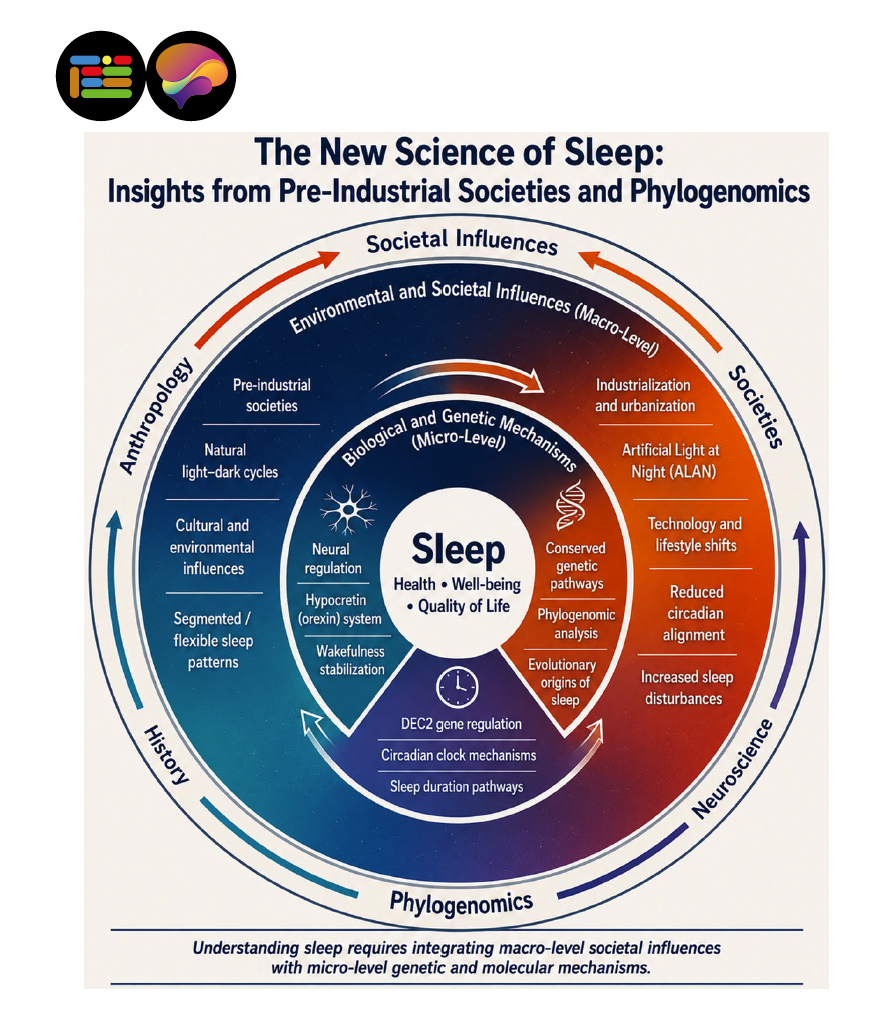
(Brain Medicine via SWNS)
An international research team found that people living without electric light in three separate hunter-gatherer societies on two continents sleep between 6.4 and 7.1 hours a night, similar to or less than the industrialized average.
In the middle of the 19th century, the team noted that an average day for someone living in an industrialized area was thought to consist of eight hours of work, eight hours of rest and eight hours of sleep.
The theory hardened in to common sense, even though sleep patterns were never systematically studied at the time.
Study first author Seithikurippu Pandi-Perumal, of Chandigarh University in Mohali, India, said: "The literature keeps asking whether we sleep less than our ancestors did, and we think that is the wrong question.
(Photo by Ron Lach via Pexels)
"Put the field data next to the archival record and next to the genomics, and what separates industrial sleep from pre-industrial sleep is when it happens and how reliably it repeats. Not how many hours it fills."
The three hunter-gather populations used for the comparison were the Hadza of Tanzania, the San of Namibia and the Tsimane of Bolivia.
Researchers found that their sleep tracks the local cycle of light and dark closely.
The study showed that industrialization saw sleep move later, day-to-day regularity fall away, entrainment to natural light weaken, and diagnosable sleep disorders become more common.
But total hours of sleep moved least of all, according to the findings.
The study also suggests that climate change could lead to an increase in sleep disorders.
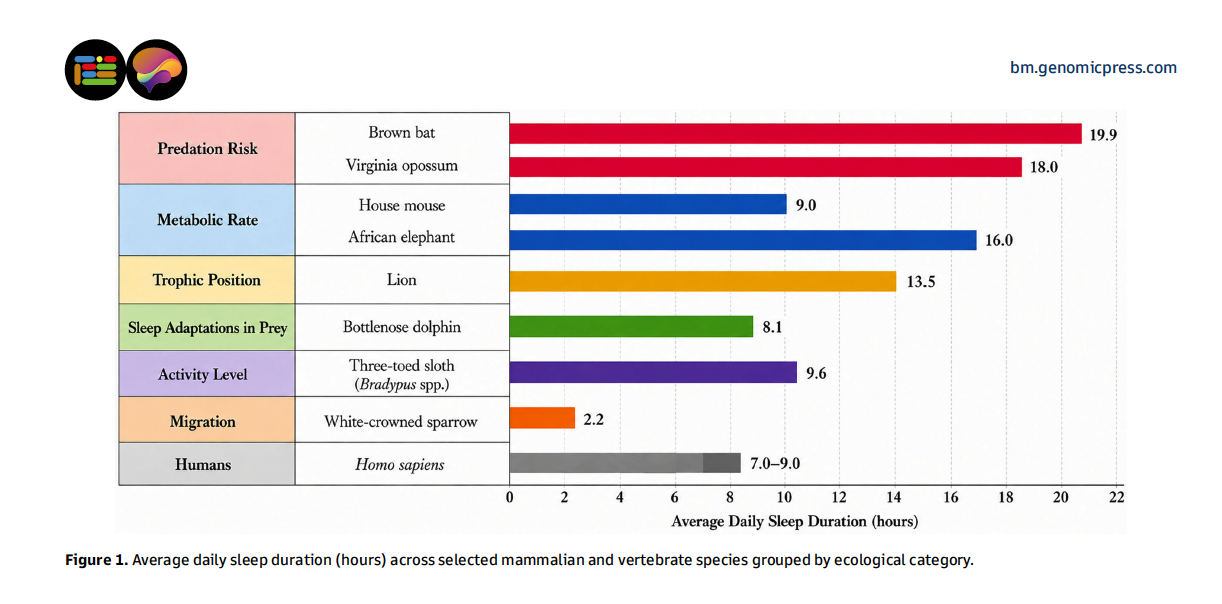
(Brain Medicine via SWNS)
Projections indicate that, under a high-emissions scenario and assuming no further behavioral or technological adaptation, warming could add six to 14 nights of insufficient sleep per 100 people annually between 2050 and 2099 in the United States, falling hardest on lower-income people and on warmer regions.
Study co-author Haitham Jahrami, of the Arabian Gulf University, Bahrain, added: "Sleep is not distributed the way people assume.
"Noise, light, heat, and housing quality fall hardest on the people least able to shield themselves, and every one of those exposures is tractable.
"Building codes and lighting standards are sleep interventions, even though nobody files them under that heading."