Wisner Baum Investigates Generic Drug Quality as 2026 Patent Cliff Accelerates Competition
Attorney Behram Parekh sees independent testing, patient education, and real-world evidence as necessary steps in ensuring lower-cost generic drugs deliver the quality and performance physicians and patients have been promised.
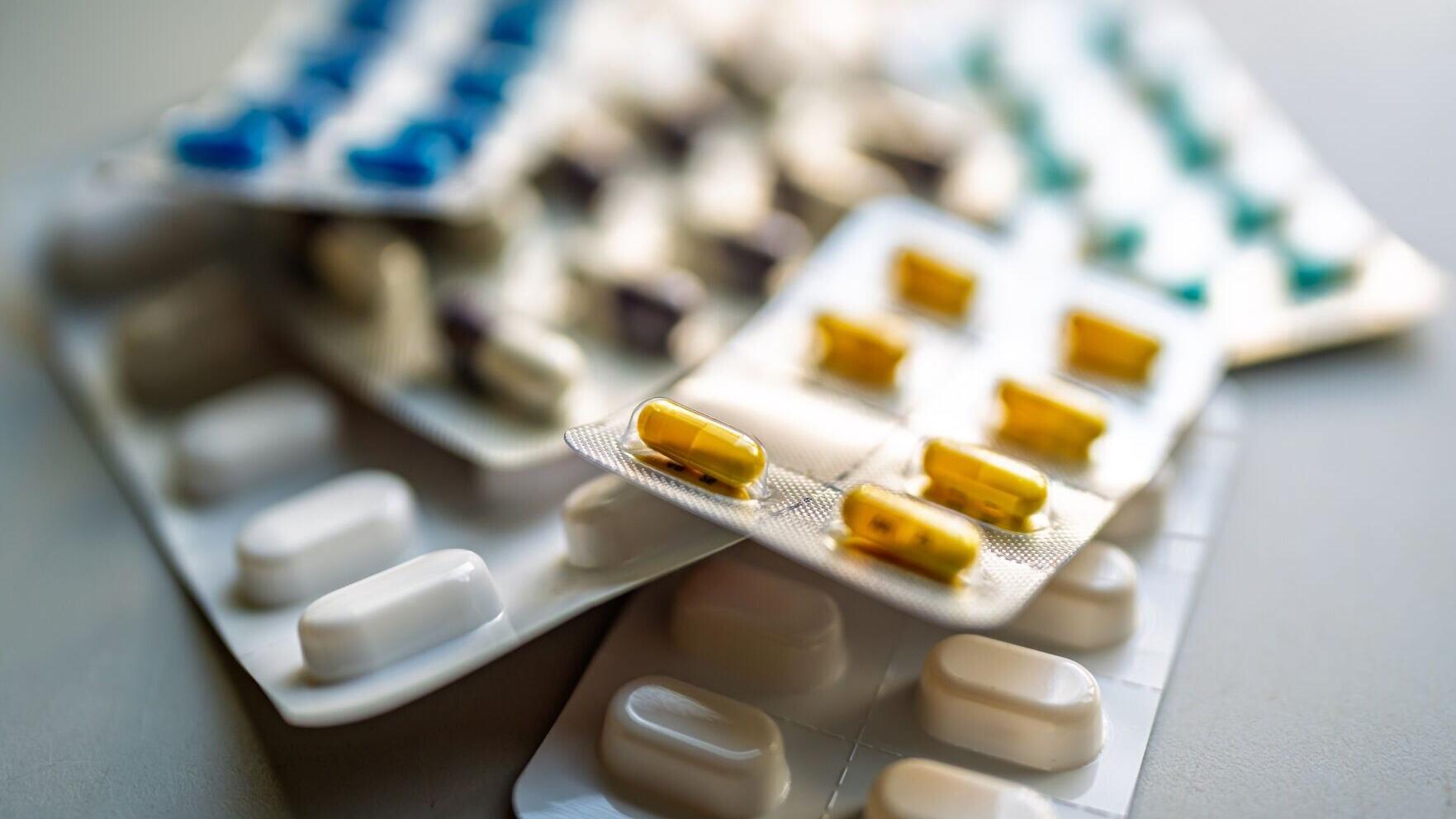
“When competition becomes a race to offer the lowest price, health plans and patients need confidence that every product still delivers what its label and approval represent. Cost savings cannot be the only consideration in what is dispensed at the pharmacy counter.” - Behram Parekh, litigation team at Wisner Baum LLP
Attorney Behram Parekh sees independent testing, patient education, and real-world evidence as necessary steps in ensuring lower-cost generic drugs deliver the quality and performance physicians and patients have been promised.
LOS ANGELES, Sept. 22, 2026 /PRNewswire/ -- As patents expire on blockbuster medicines and generic manufacturers compete for newly opened markets, attorney Behram Parekh is warning that aggressive price competition must not come at the expense of drug quality, therapeutic performance or patient safety. Parekh is part of the litigation team at Wisner Baum LLP, a firm that has spent decades taking on powerful pharmaceutical companies when profit margins, hidden risks and corporate conduct have threatened patient safety.

High-revenue medicines used to treat diabetes, autoimmune diseases and other serious conditions are reaching the end of patent protection in 2026. The transition is expected to bring lower-cost alternatives and substantial savings. It may also prompt health plans and pharmacy benefit managers to move large patient populations from established brand-name products to competing generics.
Parekh says the coming wave of substitution deserves scrutiny beyond price. Generic drugs must meet federal standards for identity, strength, quality, purity and bioequivalence, but manufacturers can use different facilities, equipment, production processes, inactive ingredients and packaging. Problems arising after approval can affect potency, impurities, dissolution or how a drug performs in patients.
"The promise of a generic drug is straightforward: patients should receive the same expected clinical effect and safety profile at a lower cost," Parekh said. "When competition becomes a race to offer the lowest price, health plans and patients need confidence that every product still delivers what its label and approval represent. Cost savings cannot be the only consideration in what is dispensed at the pharmacy counter."
Approval Should Not End Quality Oversight
The U.S. Food and Drug Administration (FDA) requires a generic drug applicant to demonstrate bioequivalence to the reference product. Bioequivalence generally evaluates whether the rate and extent of absorption differ significantly under similar conditions. FDA also maintains a risk-based post-market sampling and laboratory testing program, but it tests an incredibly small fraction of the products on the market.
Oversight becomes more difficult as the supply chain expands across borders. The U.S. Government Accountability Office has documented persistent challenges involving foreign drug manufacturing inspections, including inspection backlogs and staffing shortages. In 2025, the FDA announced plans to expand its use of unannounced inspections at foreign manufacturing facilities.
"FDA approval is an essential safeguard, but approval is not a guarantee that the generic manufacturer's products are actually safe and effective," Parekh said. "There are many ways by which a generic manufacturer can rig the approval process or make changes post-approval. Post-market performance matters. If patients experience an unexpected pattern of relapse, treatment failure, or adverse effects after a manufacturer switch, that signal deserves a scientific investigation."
Following the Evidence from the Laboratory to the Patient
Wisner Baum is working with certified laboratories, pharmacokinetic experts and epidemiologists to investigate suspected generic drug quality failures. Laboratories can test samples for active pharmaceutical ingredient levels, impurities, dissolution, and other specifications. Pharmacokinetic analysis examines how quickly and effectively a drug enters, moves through, and leaves the body as well as its mechanism of action, while epidemiological analysis can help assess whether laboratory findings correspond with patterns in treatment outcomes or adverse events.
The investigation also examines compliance with FDA requirements, current Good Manufacturing Practices (cGMP) and applicable U.S. Pharmacopeia standards. Parekh said litigation can provide an independent mechanism for obtaining manufacturing records, testing data and corporate communications when evidence suggests that a specific product failed to meet its approved requirements.
"Patients need to be made aware that generic drugs are not necessarily identical to the name brand, or even to each other," Parekh said. "Most patients aren't aware who is manufacturing their generic drug, nor are they made aware by the pharmacy when the manufacturer of their drug changes. That needs to change so that patients can properly report a lack of efficacy or side effects to their doctor when their manufacturer changes. Without such knowledge, both the patient and the doctor will erroneously conclude that the drug type or prescribed dosage has stopped working effectively, which can adversely affect patient health and outcomes."
Health plans and insurers also have a direct stake in the issue. A lower acquisition price may produce little savings if an ineffective or substandard product leads to additional treatment, hospitalization, lost productivity, or a return to the brand-name medication. Claims trends, treatment changes, and tracking manufacturer-specific outcomes may help payers identify signals that price comparisons alone miss.
"This is not an argument against generic medicine, which is essential to affordable care," Parekh said. "It is an argument for verifying quality when the economic pressure to cut costs is at its highest. Independent testing, patient data and reporting, and legal discovery can help determine whether a suspected problem is isolated, systemic, or unsupported."
Wisner Baum is evaluating potential cases involving generic drugs alleged to be contaminated, subpotent, improperly manufactured, or not bioequivalent to their reference products. Patients, health plans and other organizations with information concerning suspected generic drug quality or performance problems may contact the firm for an evaluation.
About Wisner Baum
Wisner Baum is a nationally recognized plaintiffs' law firm with offices across the United States. For decades, the firm has represented individuals harmed by corporate misconduct, dangerous products, environmental exposure and systemic failures. Wisner Baum is known for its trial experience, investigative rigor and leadership in complex litigation involving some of the world's largest companies. For more information, visit www.wisnerbaum.com.
References
- Drug Discovery News. (2026). Blockbuster drugs face a massive patent cliff in 2026.
- U.S. Food and Drug Administration. (2025, May 6). FDA announces expanded use of unannounced inspections at foreign manufacturing facilities.
- U.S. Food and Drug Administration. (2026, May). Bioequivalence studies with pharmacokinetic endpoints for drugs submitted under an ANDA.
- U.S. Food and Drug Administration. (2026). Drug quality sampling and testing programs.
- U.S. Food and Drug Administration. (2026). Evaluation of therapeutic equivalence.
- U.S. Government Accountability Office. (2024, February 6). Drug safety: FDA has faced persistent challenges overseeing foreign drug manufacturing (GAO-24-107359).
Media Inquiries
Karla Jo Helm
JOTO PR™
727-777-4629
 View original content to download multimedia:https://www.prnewswire.com/news-releases/wisner-baum-investigates-generic-drug-quality-as-2026-patent-cliff-accelerates-competition-302886132.html
SOURCE Wisner Baum
