Moving forward: Faithful christianity and responsible citizenship
The 2024 Religious Landscape Study undertaken by Pew Research Center reports that 62% of adults in Iowa identify as Christians, with 5% identifying with other religions and 31% religiously unaffiliated. Nationwide, the numbers are similar with 62% of adults in the United States identifying as Christians, with 7% identifying with other religions, and 29% unaffiliated. Thus, at least a third of the adult population may not be particularly interested in the intersection between being a faithful Christian and a responsible citizen. Yet, as the intersection of Christianity and citizenship continues to arise in political discourse, thoughtful discussion is warranted.
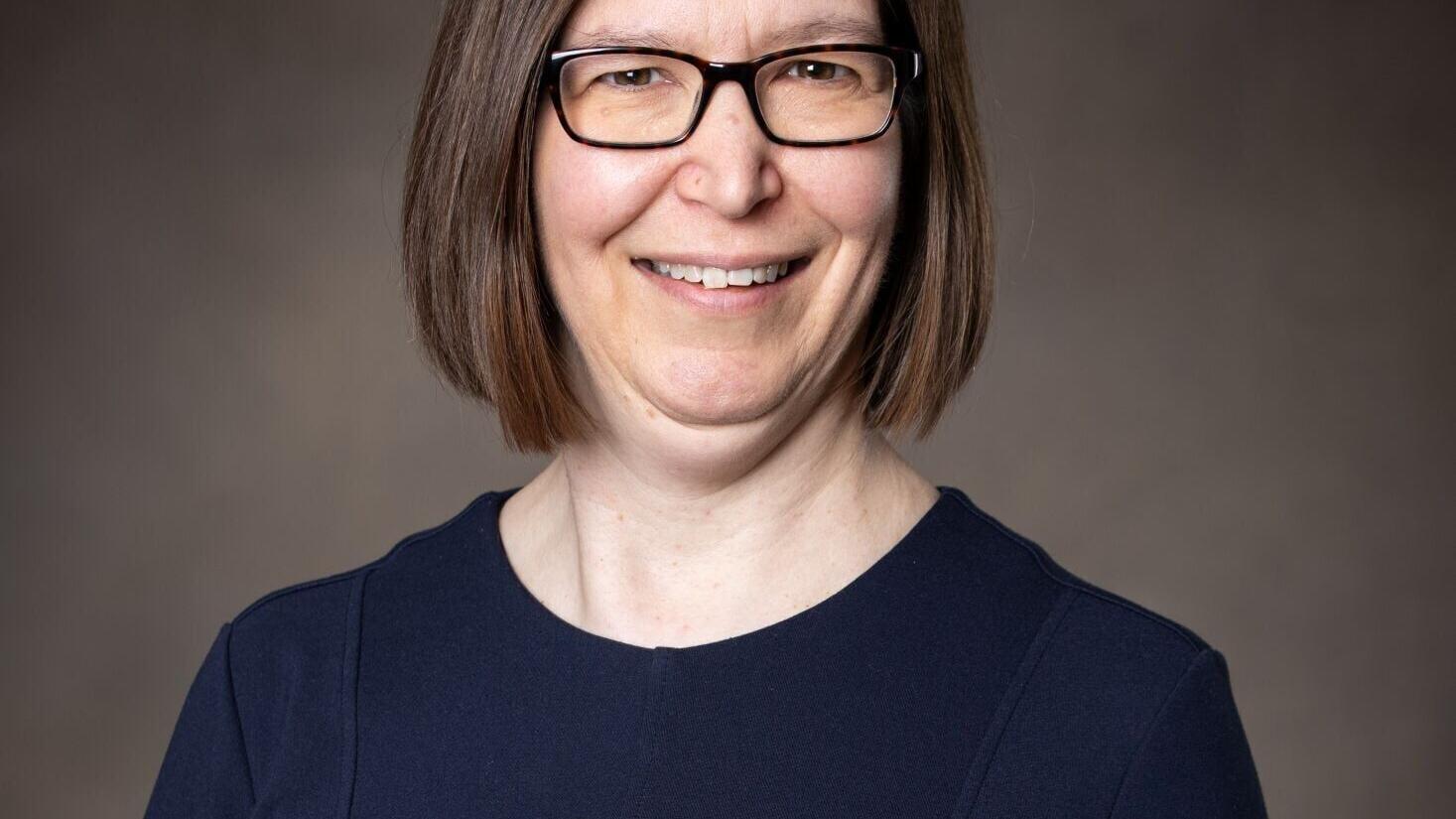
Kristin J. Wendland
The 2024 Religious Landscape Study undertaken by Pew Research Center reports that 62% of adults in Iowa identify as Christians, with 5% identifying with other religions and 31% religiously unaffiliated. Nationwide, the numbers are similar with 62% of adults in the United States identifying as Christians, with 7% identifying with other religions, and 29% unaffiliated. Thus, at least a third of the adult population may not be particularly interested in the intersection between being a faithful Christian and a responsible citizen. Yet, as the intersection of Christianity and citizenship continues to arise in political discourse, thoughtful discussion is warranted.
This has never been a straightforward topic. Temperance, slavery, civil rights, capital punishment, abortion, school curricula, and just about every other topic imaginable has included people on multiple sides of the issue, each claiming to act from their Christian faith. This is not to suggest acquiescence to a moral relativism within or beyond Christianity but to acknowledge the breadth of the tradition.
It is unsurprising that one’s faith commitments and the ways that one engages as a citizen will have a strong overlap, as they are both realms that inform and grow out of one’s values. Both involve an interplay between individual conviction and communal practice. Citizenship and Christian practice both call a person beyond themselves, to put the well-being of the whole before the desires of self.
This is not a call for theocracy or for a nation that is Christian in its essence. Neither is this a suggestion that Christians, by virtue of a shared faith, ought to vote en bloc for particular candidates or particular policy initiatives. There are plenty of voices that will provide this, speaking in strident terms about what is or is not Christian, who is or who is not a Christian candidate, and about a desire for Christianity to be centered more than it is in Christian policy. This column is not that but rather a call for discernment amid the complexities of both citizenship and faith.
Instead, here are a few points to ponder at the intersection of faithful Christianity and responsible citizenship. They come out a lifetime of studying Christian scriptures and theology, admittedly from a Lutheran (but not uniquely Lutheran) perspective, alongside a conviction that living as a citizen requires thoughtful discernment.
1. Christianity is centered in incarnation—God becoming human in the person of Jesus Christ and a bodily death and resurrection. This suggests love and care for real humans amid their real lives, not only concern for a world hereafter. What does the world we live in right now most need?
2. Jesus’ summary of all the commandments is to love God with your whole self and love your neighbor as yourself. There may be disagreements on the best way to do this, but the center is always on others rather than oneself. Who are my neighbors? Those I know and those I do not yet know. Am I taking their needs and desires as seriously as my own?
3. Citizenship bestows rights and confers responsibilities. Living into these responsibilities is a part of Christian service and vocation but is certainly not uniquely Christian or religious. How can those of different faiths—and those of no faith—work together in service of a stronger nation?
4. It is not a one-way street. If one’s faith impacts how one lives as a citizen, it is likely that engagement as a citizen—advocating, representing, voting, jury-sitting, protesting, and the like—will also impact one’s faith or at least how one lives it out. Where are the unexpected places that divine love and self-sacrificial giving show up? How does this impact my faith?
This is necessarily an incomplete list, for both citizenship and Christianity. It is certainly not a checklist or a call to triumphalism. It is an invitation to consider a few of the complexities of being a responsible citizen and a faithful Christian.
Kristin Wendland has lived in Waverly since 2017. She is a biblical scholar and ordained pastor in the Evangelical Lutheran Church in America (ELCA).